Water is part of nearly everything we do at home. We use it to cook, wash clothes, clean dishes, shower, make coffee, and keep our homes running smoothly. Yet it’s easy to overlook water quality until something feels off. A glass of water tastes strange, white residue appears around faucets, or the shower leaves skin feeling dry. These little signs can become frustrating when they keep showing up day after day.
The good news is that many water quality concerns can be addressed with the right equipment and a better understanding of what’s actually in the water. Not every home needs a complicated system, but choosing a suitable treatment method can make a noticeable difference in comfort and long-term maintenance.
Why Good Water Matters More Than We Realize
Water quality isn’t just about whether the water looks clear. Dissolved minerals, chlorine, sediment, and other substances can affect taste, smell, plumbing performance, and how water behaves during everyday use. In some households, the problem is immediately noticeable. In others, mineral buildup slowly develops inside pipes, water heaters, and appliances without much warning.
For example, hard water can leave spots on glassware, create scale around showerheads, and make soap less effective. Families may find themselves using extra detergent or cleaning products without realizing that the water itself is contributing to the problem. Over time, these small inconveniences can add up.
Understanding the source of a water issue is the first step toward finding a solution that actually works rather than simply masking the symptoms.
Finding Solutions That Fit Your Household
Every home has different water needs. A small apartment, a busy family home, and a property with a private well won’t necessarily benefit from the same treatment equipment. Water consumption, plumbing layout, existing contaminants, and available installation space all influence which system makes sense.
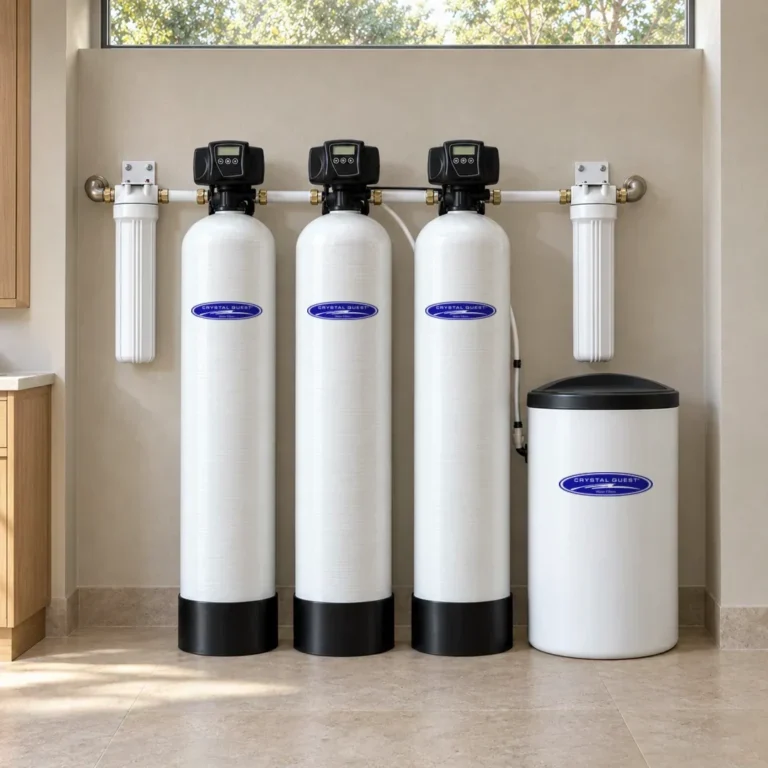
Investing in high-quality water treatment solutions can help homeowners address specific concerns while improving the overall experience of using water every day. Depending on the water test results, a suitable setup might include sediment filtration, activated carbon filtration, water softening, reverse osmosis, or a combination of technologies.
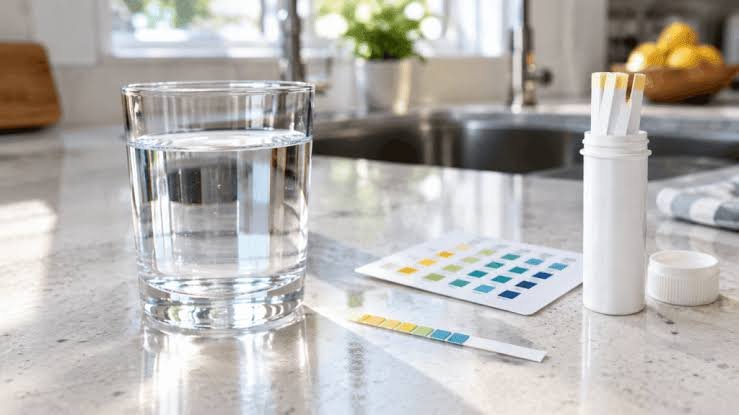
It’s worth remembering that more equipment doesn’t automatically mean better water. A properly selected system is usually more practical than installing multiple devices without understanding what they are meant to accomplish. Testing first can save money and help homeowners avoid unnecessary maintenance.
Understanding Hard Water and Other Everyday Concerns
One of the most frequent household water complaints involves mineral content. Calcium and magnesium are naturally occurring minerals, and when they’re present in higher concentrations, they contribute to water hardness. Although hard water isn’t generally considered a health risk by itself, it can create plenty of nuisance problems.
Some of the common problems like hard water include soap scum on bathroom surfaces, mineral deposits on taps, cloudy glassware, and scale buildup inside appliances. Water heaters may also accumulate deposits over time, potentially affecting their performance and efficiency.
Other concerns include unpleasant odors, sediment, metallic tastes, and chlorine-related taste or smell. Each issue has a different cause, which is why a water test is more useful than guessing. Once the source is identified, treatment becomes much easier to plan.
Exploring Different Filtration and Treatment Methods
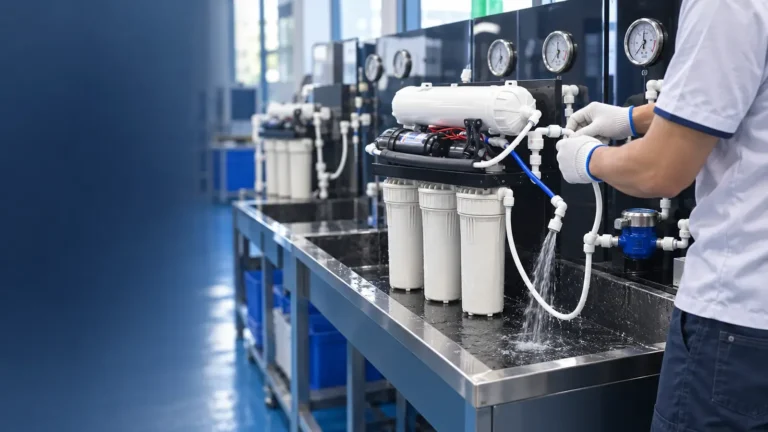
Water treatment technology has come a long way, and homeowners now have several options depending on their priorities. Sediment filtration is often used to capture dirt, sand, and suspended particles. Activated carbon filters can help improve taste and reduce certain chemicals. Water softeners address hardness minerals, while reverse osmosis systems are commonly used for drinking water treatment.
When comparing water treatment and filtration options, it’s important to look beyond product descriptions and consider actual performance. Check what a system is designed to remove, its capacity, replacement filter costs, installation requirements, and maintenance schedule.
Some homeowners prefer a point-of-use system that treats water at a kitchen faucet. Others want whole-house filtration so water is treated before reaching showers, laundry machines, and other fixtures. Both approaches can be useful, depending on the problem and the household’s budget.
Maintenance Makes a Difference Over Time
Even a good filtration system needs occasional attention. Filters become loaded with particles, carbon media gradually loses effectiveness, and softeners require routine servicing. Ignoring maintenance can reduce water flow and prevent the equipment from performing as intended.
Fortunately, upkeep is generally manageable when homeowners follow the manufacturer’s recommendations. Keeping track of filter replacement dates, checking connections, and arranging periodic inspections can help prevent unexpected problems. It’s also sensible to retest water occasionally, particularly when the source is a private well or the water quality changes noticeably.
A More Comfortable Home Starts With Better Water
Clean, reliable water can improve the everyday experience of living in a home in surprisingly simple ways. Washing dishes becomes less frustrating, fixtures stay cleaner, drinking water tastes better, and appliances may be less exposed to unnecessary mineral buildup.
The best approach is to pay attention to what’s happening, test the water when needed, and choose treatment equipment that solves the actual problem. With a little planning and consistent care, water quality doesn’t have to be another household headache. It can simply become one of those things that works the way it should, every single day.