If you’ve ever stood in front of your AC wondering why it’s blowing warm air on the hottest day of May, you already know the real cost of skipping maintenance. A proper HVAC maintenance schedule isn’t just a nice-to-have — it’s what stands between you and a Rs. 15,000 emergency repair bill in the middle of a heat wave. Most homeowners either over-service their systems out of anxiety or, more commonly, forget about them entirely until something breaks. Neither approach is great. In this guide, I’ll walk you through exactly how often each part of your system needs attention, and why the “once a year” advice you’ve probably heard is only half the story.
Why Following an HVAC Maintenance Schedule Actually Matters
HVAC maintenance schedule consistency isn’t about being obsessive — it’s about catching small issues before they become five-figure ones. A unit that’s serviced regularly can last 15-20 years. One that isn’t? You’re lucky to get 10.
Here’s the thing nobody tells you upfront: most HVAC failures don’t happen because a part suddenly breaks. They happen because dust, debris, or low refrigerant slowly wear the system down over months, and by the time you notice the strain, the compressor’s already half-cooked. I’ve seen this play out with a family friend in Jaipur who ran their split AC through three summers without a single filter clean. The unit was working nearly twice as hard as it should have, and their electricity bill showed it — nearly 30% higher than a well-maintained system of the same tonnage.
Regular servicing also protects your warranty. Most manufacturers require proof of annual maintenance to honor a warranty claim. Skip it, and that “5-year warranty” on your new AC might as well not exist.
The General Rule: How Often Should You Service Your HVAC System?
Quick answer: Most residential HVAC systems need professional servicing twice a year — once before summer (April-May) and once before winter (October-November) — with filter checks done monthly in between.
That said, “twice a year” is a starting point, not gospel. Your actual HVAC maintenance schedule depends on a handful of factors:
- Usage intensity — a system running 10+ hours a day in Rajasthan’s summer heat needs more frequent attention than one used occasionally in a milder climate
- System age — units older than 8 years benefit from quarterly check-ins, not just biannual ones
- Environment — homes near construction sites, farmland, or high-dust areas need filter changes more often
- Type of system — split ACs, window units, central HVAC, and ductless mini-splits all have slightly different needs
I’ll be honest, I don’t think every household needs the same rigid calendar. A single-person apartment with a 1.5-ton split AC used only in peak summer is a very different case than a joint family home running central air ten months a year.
Monthly Maintenance Tasks You Can Do Yourself
You don’t need a technician for everything. Some tasks take five minutes and save you real money down the line.
- Check and clean air filters — dirty filters are the single biggest cause of reduced efficiency; check monthly during heavy use, replace every 60-90 days
- Inspect outdoor unit for leaves, debris, or anything blocking airflow
- Listen for unusual noises — rattling, buzzing, or grinding sounds usually mean something’s loose or wearing down
- Check the thermostat is reading temperatures accurately (a $10 fix now beats a $200 problem later)
Has your AC ever smelled faintly musty when you first switch it on for the season? That’s often mold or mildew buildup in the filter or ducts — a monthly filter check would’ve caught it early.
Seasonal HVAC Servicing: Spring and Fall Checklists
Direct answer: Spring servicing focuses on cooling readiness — refrigerant levels, coil cleaning, and condenser checks. Fall servicing shifts to heating components, ductwork inspection, and thermostat calibration for the colder months ahead.
Spring (Pre-Summer) Checklist
Before the heat hits, get a technician to:
- Check refrigerant levels and look for leaks
- Clean the condenser and evaporator coils
- Test the capacitor and compressor
- Clear condensate drain lines (clogged drains are a very common, very avoidable AC failure)
- Verify the thermostat and electrical connections are solid
Fall (Pre-Winter) Checklist
If you’re running a heat pump or furnace setup:
- Inspect heating elements or burners
- Check for gas leaks (if applicable)
- Test carbon monoxide detectors near the unit
- Clean or replace ductwork filters
- Ensure proper airflow through all vents
Skipping the fall check is one of the most common mistakes I see. People assume, “well, I’m not using the AC, so nothing to check” — but a neglected system sitting idle for months tends to develop its own issues, like rodent nesting or corrosion.
Signs Your HVAC System Needs Servicing Right Now
Sometimes your HVAC maintenance schedule goes out the window because the system is telling you something’s wrong today, not next month. Watch for these:
- Weak or inconsistent airflow from vents
- Strange odors — burning, musty, or chemical smells
- Unusual sounds: clanking, hissing, or a high-pitched whine
- Rising electricity bills without a change in usage
- The unit cycling on and off more frequently than usual
- Visible ice buildup on the outdoor unit (yes, even in summer)
- Humidity indoors feels off despite the AC running
Any one of these on its own might be minor. Two or more together? Call a technician within the week, not “sometime next month.”
Central AC vs Split AC: Do Maintenance Needs Differ?
Central HVAC and split ACs aren’t maintained identically, and treating them the same is a mistake I see often.
Central systems have more ductwork, meaning dust accumulation happens across a larger, harder-to-inspect network. They typically need professional duct cleaning every 2-3 years alongside the standard biannual service.
Split ACs, common in most Indian homes, are simpler — fewer components, easier filter access — but the outdoor condenser unit takes a beating from direct sun and monsoon exposure. If you live somewhere with heavy monsoon rain, honestly, I’d push for a pre-monsoon inspection specifically for the outdoor unit’s electrical connections. Water damage there is sneaky and often not caught until the next summer startup.
[link to related guide on choosing between split AC and central air conditioning here]
What a Professional HVAC Service Visit Actually Includes
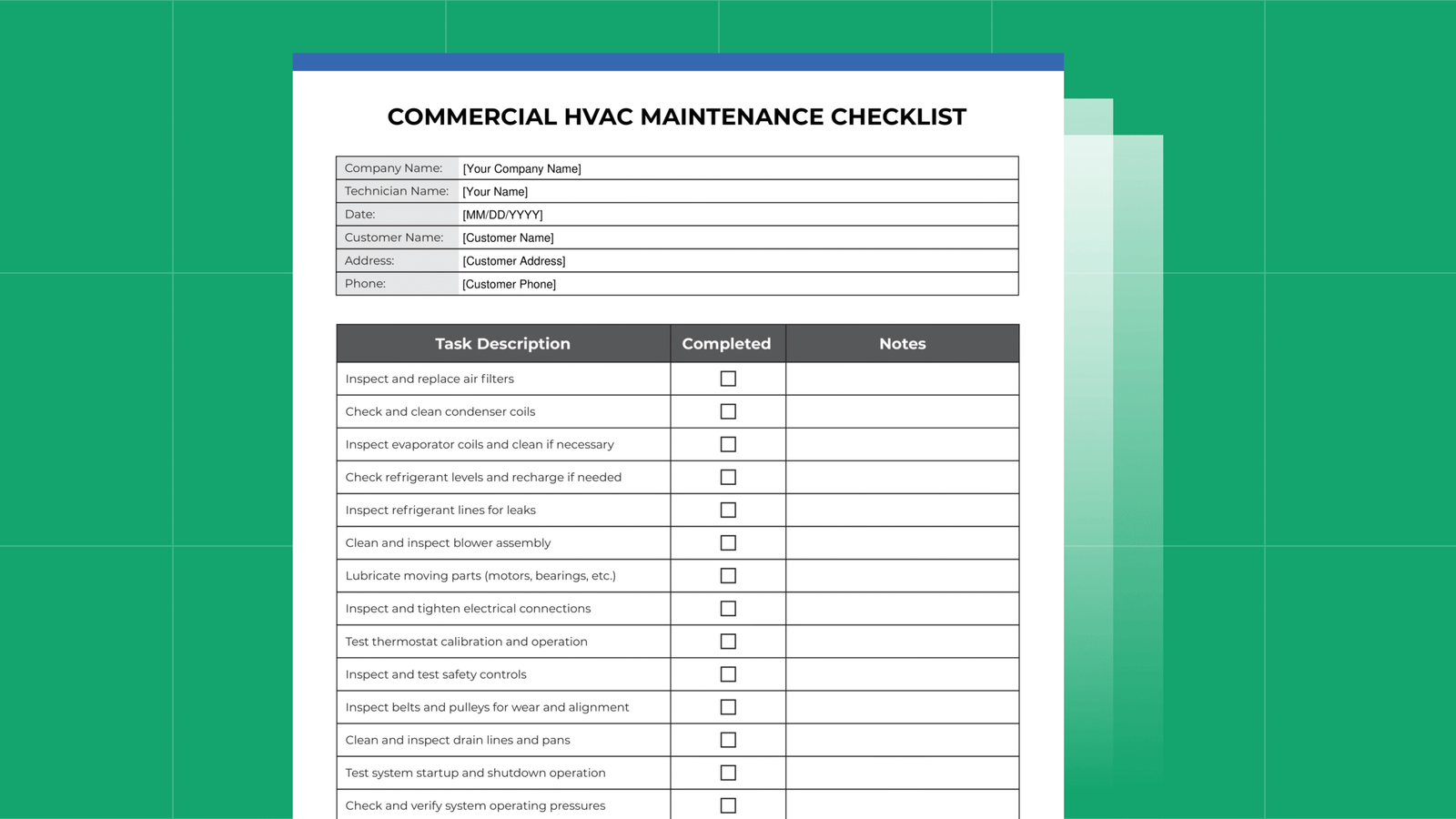
A lot of people pay for a “service” without knowing what they’re actually getting. A thorough visit should cover:
- Filter inspection and replacement if needed
- Coil cleaning — both evaporator and condenser
- Refrigerant level check and leak testing
- Electrical connection tightening — loose connections are a fire risk, not just an efficiency one
- Thermostat calibration
- Drain line clearing
- Overall performance test — checking temperature differential between intake and output air
If your technician is in and out in 15 minutes, that’s not a real service — that’s a filter swap with a fancy invoice. A proper visit usually takes 45-90 minutes depending on system size.
[link to related article on choosing a reliable HVAC technician near you here]
Cost of Regular Maintenance vs Cost of Neglect
Let’s talk numbers, because this is where the case for a consistent HVAC maintenance schedule really makes itself.
A standard biannual maintenance contract in most Indian cities runs somewhere between Rs. 2,000-5,000 per year, depending on your system size and city. Compare that to:
- Compressor replacement: Rs. 12,000-25,000
- Full refrigerant recharge with leak repair: Rs. 4,000-8,000
- Complete system replacement (due to prolonged neglect): Rs. 35,000-80,000+
Picture a small business owner in Jaipur running three split ACs across a small office. Skipping maintenance to “save costs” for two years, then facing a compressor failure on all three units right before peak summer footfall — that’s not a hypothetical, that’s a conversation I’ve actually had with someone in exactly that position. The maintenance he skipped would’ve cost him under Rs. 15,000 total. The repairs cost him over Rs. 60,000, plus a week of a shut office in June.
[link to related guide on HVAC energy efficiency tips here]
Building Your Own HVAC Maintenance Calendar
Here’s a simple way to structure it without overthinking things:
- Monthly: Filter check, visual inspection of outdoor unit, listen for odd noises
- Every 60-90 days: Filter replacement (more frequent in dusty areas)
- Twice yearly: Professional service — spring cooling prep, fall heating prep
- Every 2-3 years: Duct cleaning (central systems especially)
- Annually: Full system performance review, thermostat recalibration
Stick a reminder in your phone calendar. Genuinely, that’s the single most effective thing you can do — the plan only works if you actually follow it, and most people don’t because they forget, not because they don’t care.
Frequently Asked Questions
How often should I service my HVAC system if I use it year-round? If you’re running your AC or heating almost continuously, aim for quarterly professional check-ins rather than just twice a year. Heavy use accelerates wear on filters, coils, and the compressor, so more frequent attention actually saves money over time.
Can I skip a service if the AC seems to be working fine? You can, but I wouldn’t recommend it. A lot of internal wear — refrigerant leaks, coil buildup, electrical loosening — doesn’t show obvious symptoms until it’s already a bigger problem. “Working fine” and “running efficiently” aren’t always the same thing.
How much does a typical HVAC service cost in India? A standard service call usually falls between Rs. 500-1,500 per visit, while annual maintenance contracts (covering 2-4 visits) range from Rs. 2,000-5,000, depending on your city and system type.
Does a new HVAC system still need regular servicing? Yes, and this surprises people. New systems still accumulate dust, and most warranties actually require documented annual servicing to stay valid. Don’t assume “new” means “maintenance-free” for the first few years.
What happens if I never service my HVAC system at all? Efficiency drops steadily, your electricity bills climb, and you significantly increase the risk of a major (expensive) breakdown. Systems that are never serviced typically last half as long as ones on a proper schedule.
Is it worth getting an annual maintenance contract instead of one-off servicing? For most households, yes. Contracts are usually cheaper per visit, and they build in the discipline of actually scheduling service instead of putting it off. If you know you’ll forget otherwise, a contract solves that problem for you.
Conclusion
A solid HVAC maintenance schedule really comes down to a few habits: monthly filter checks, biannual professional servicing, and paying attention when something feels or sounds off. It’s not complicated, but it does require actually doing it consistently — which, if I’m honest, is where most people fall short.
If your system hasn’t been serviced in over six months, don’t wait for the first hot week of summer to find out something’s wrong. Book a check-up now, while technicians aren’t slammed with emergency calls, and you’ll thank yourself later when everyone else is waiting three days for a repair slot.
