
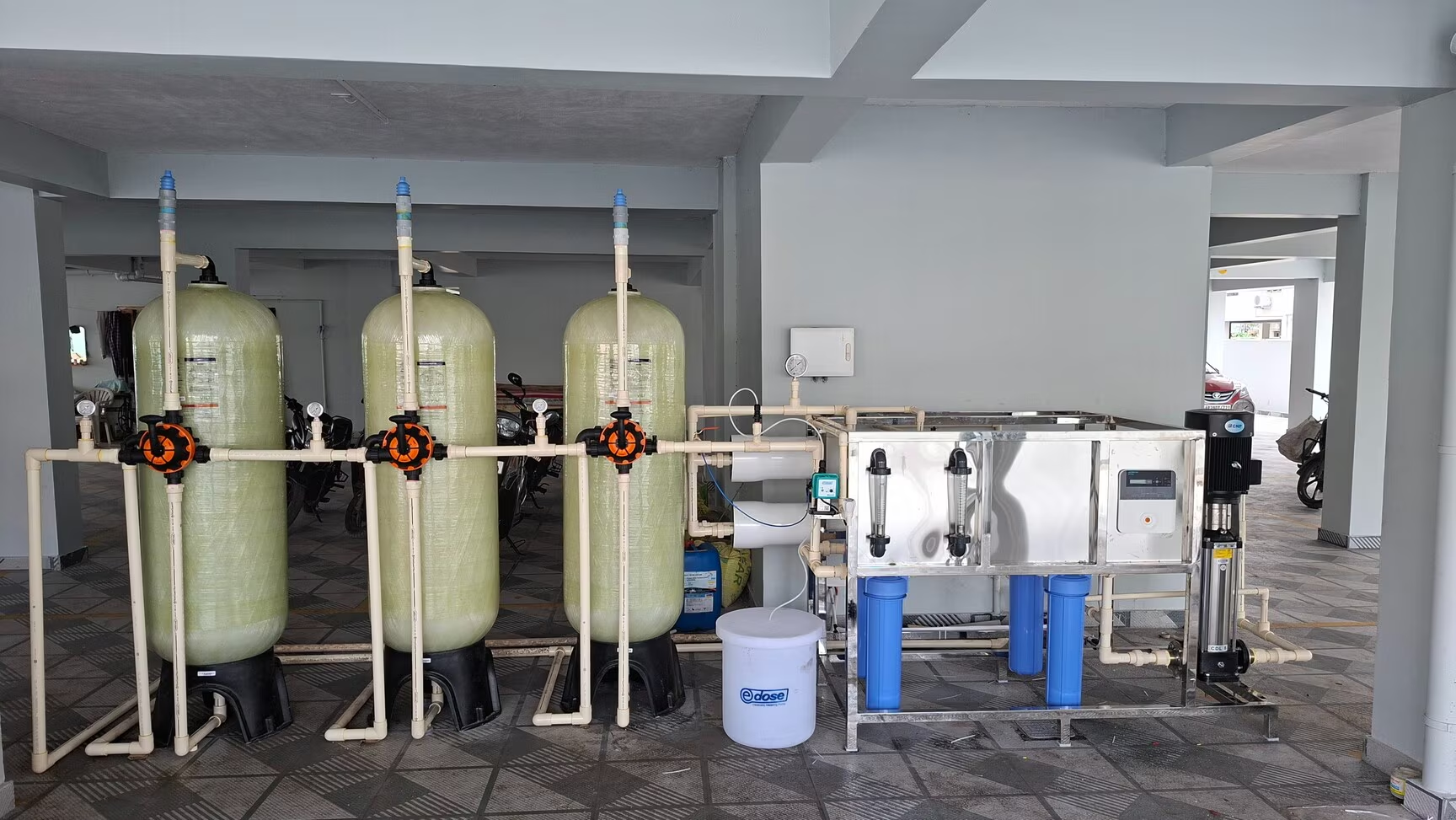
Turn on a tap, fill a glass, start the washing machine, or step into the shower. Water is part of nearly everything we do, yet most of us rarely think about its quality until something seems wrong. Maybe white marks keep appearing on the bathroom fixtures. Perhaps the water has an unusual taste, leaves stains on clothes, or develops an odor that makes you hesitate before drinking it. These small warning signs can quickly become everyday frustrations.
The good news is that water quality problems can often be managed with the right approach. You don’t necessarily need an expensive system or a complicated setup. What matters most is understanding your water, identifying the problem, and choosing treatment that genuinely meets your needs.
Why Water Quality Matters More Than You Think
Water does much more than satisfy thirst. It supports cooking, cleaning, bathing, gardening, livestock care, and countless commercial activities. When its quality isn’t suitable for a particular use, the effects can reach far beyond the kitchen sink.
Hard water, for instance, contains elevated levels of calcium and magnesium. These minerals can leave deposits on faucets, showerheads, pipes, and heating elements. Soap may not lather as easily, and household cleaning can become a little more demanding. Iron can cause reddish-brown stains, while certain sulfur compounds may produce a rotten-egg smell.
Other concerns aren’t so easy to notice. Some contaminants cannot be identified by appearance, smell, or taste alone. That’s why testing is important, especially for homes that rely on private wells or other sources whose quality may change over time.
Water quality also depends on how the water will be used. Water suitable for washing a vehicle may not be appropriate for drinking, while agricultural and industrial applications can have their own requirements. One treatment method rarely solves every problem.
One Water Source, Different Needs
Every property has its own circumstances. A family home might struggle with mineral buildup, while a farm may need to manage sediment or iron in water used for irrigation and livestock. A business could require consistent water quality to protect equipment, maintain hygiene, or support its production process.
This is where water treatment solutions for every home, farm & business become valuable. Instead of choosing equipment simply because it’s popular, property owners can focus on the specific water-quality concerns affecting their daily operations.
For households, a water softener may help reduce hardness and scale. A sediment filter can capture suspended particles, while activated carbon may improve certain tastes and odors. Reverse osmosis systems can reduce many dissolved substances in drinking water, depending on the unit and the contaminants involved.
Farms may benefit from treatment designed around their water source and intended use. Excessive sediment can interfere with irrigation equipment, while unsuitable water chemistry may affect some agricultural processes. Businesses, meanwhile, may need systems that can handle higher volumes and operate reliably throughout the working day.
The important thing is to avoid assumptions. A solution that works well for one property may be unnecessary or ineffective for another.
Start With a Water Test, Not a Guess
It’s tempting to buy a filter as soon as water starts tasting strange or leaving visible deposits. But without knowing what’s causing the problem, you could end up spending money on equipment that doesn’t address it.
A water test gives you a clearer starting point. Depending on the source and your concerns, testing may examine hardness, pH, iron, dissolved solids, bacteria, nitrates, or other relevant substances. The appropriate tests will vary, so it’s worth discussing your situation with a qualified water professional or an accredited laboratory.
If you’re unsure where to begin, get a free water test if that option is available through your local water treatment provider. Ask what the test includes, whether samples need to be collected in a particular way, and whether the results will identify specific treatment needs. A complimentary screening can be useful, but more detailed laboratory testing may still be necessary when health-related contaminants are a concern.
Once you have the results, the next step becomes more straightforward. You’ll have a better understanding of what needs to be reduced, which treatment technologies may help, and whether the problem affects the entire property or only one outlet.
Choosing the Right Treatment Technology
Water treatment isn’t a one-size-fits-all purchase. Different technologies perform different jobs, and understanding those differences can help you avoid paying for features you don’t need.
Water softeners are commonly used to reduce calcium and magnesium, helping control scale formation. They don’t generally disinfect water or remove every dissolved contaminant. Reverse osmosis systems use a semipermeable membrane to reduce many dissolved substances in drinking water, although performance depends on the system design and the water being treated.
Sediment filters capture suspended particles, making them useful when sand, silt, or similar material is present. Activated carbon filters can reduce certain compounds that affect taste and odor. Specialized treatment media may be suitable for iron, manganese, or other identified concerns when operating conditions are appropriate.
Before choosing a product, check its independently certified performance claims where applicable. Certification for improving taste, for example, doesn’t automatically mean a filter is certified to reduce lead, arsenic, or microorganisms.
It’s equally important to consider water demand. A small household system may not suit a busy commercial property, and a unit that’s too large or poorly matched to the source can create unnecessary costs. Good selection starts with actual requirements rather than impressive advertising.
What About Installation and Maintenance?
Buying the equipment is only one part of the process. Installation, servicing, and replacement components also affect the long-term value of a treatment system.
Before committing, ask how much space the equipment needs, whether plumbing modifications are required, and how frequently filters or membranes must be replaced. If a softener is being considered, find out about its salt or potassium requirements and regeneration process. For reverse osmosis, compare water efficiency and understand that some water is discharged during treatment.
Maintenance shouldn’t be an afterthought. A filter that isn’t replaced on schedule may lose effectiveness, and neglected equipment can develop leaks or other performance issues. Keeping a basic service record makes it easier to stay on top of replacements and spot changes over time.
For farms and businesses, downtime can be especially inconvenient. Discuss servicing arrangements, expected operating costs, and the availability of replacement parts before selecting a system. A slightly higher initial price may be reasonable if the equipment better matches the property’s needs and can be maintained reliably.
Getting Help Without Making the Process Complicated
Water treatment can sound technical, particularly when you’re faced with unfamiliar terms, product specifications, and competing recommendations. A good provider should make the process easier to understand, not leave you with more questions than you started with.
When exploring our water treatment services, look for clear explanations of the problem, the proposed equipment, and the results you can reasonably expect. Ask which water-quality issues the system is designed to address and which ones it cannot handle. You should also understand the installation process, ongoing maintenance, and likely long-term expenses.
Be cautious of broad promises that a single device will make every water source completely pure. Effective treatment depends on the source, the contaminants present, and the performance of the selected equipment. Honest guidance recognizes those limits and helps you make an informed decision.
A Better Approach to Water Begins With Knowledge
Clean, suitable water supports the routines that keep homes comfortable, farms productive, and businesses running smoothly. Yet the right solution doesn’t always mean installing the most advanced or expensive equipment available. Sometimes, a targeted filter is enough. In other cases, testing may reveal a need for a more comprehensive treatment system.
Start by paying attention to changes in your water, arrange appropriate testing, and compare solutions based on verified performance and practical costs. Then make maintenance part of the plan rather than something to think about later.
Water quality may not be the first thing on your mind each morning, and that’s perfectly understandable. But a little attention now can help prevent avoidable problems, protect equipment, and give you greater confidence in the water you use every day. The best treatment decision is the one grounded in evidence and suited to the needs of your property.