Most people don’t think much about their water until something changes. Perhaps the shower doors are covered in stubborn white spots, the kitchen tap has developed an odd taste, or the water heater seems to need attention more often than it used to. These little annoyances can gradually become part of everyday life, even though they may be signs that something deserves a closer look.
Choosing a water treatment system can feel confusing at first. There are filters, softeners, drinking-water units, and several technologies that promise to improve water quality. The trick is knowing which options actually suit your home. A sensible decision begins with understanding your water, asking the right questions, and thinking beyond the initial purchase.
Find Out What’s Happening Before Buying Equipment
Water quality differs from one property to another. A home supplied by a municipal system may have different concerns from a property that relies on a private well. Local geology, plumbing materials, and changes in the water source can also influence what comes through the tap.
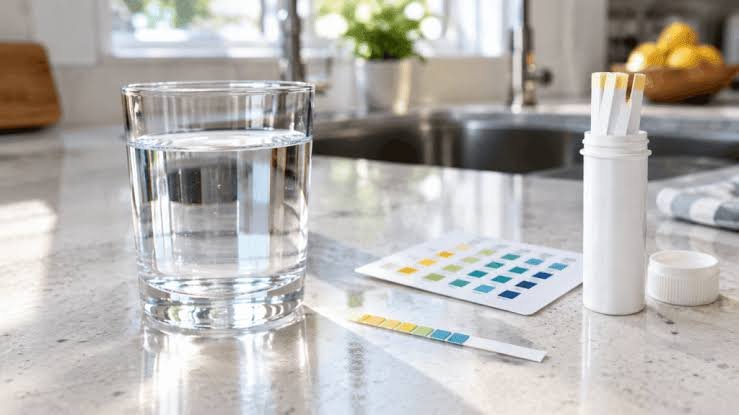
That’s why testing is such a useful starting point. Water that looks clear isn’t necessarily free of contaminants, and an unusual taste doesn’t automatically mean it is unsafe. Depending on the source and the concerns involved, testing may examine hardness, pH, iron, dissolved solids, bacteria, or specific chemicals.
Some providers advertise free water testing as an introductory service. This can be a convenient way to learn more about basic water characteristics, but it’s important to ask what the test actually measures. A quick screening may identify hardness or chlorine levels without checking for other substances that could be relevant to your household.
If health-related contamination is a concern, an appropriately accredited laboratory may be necessary. Private well owners should follow local health department recommendations for testing and retest after events such as flooding or well repairs. The goal is to gather information that can guide a decision, not simply receive a sales recommendation.
Choose a Treatment System That Addresses the Real Problem
Once you have useful test results, it becomes easier to compare treatment options. Different systems do different jobs, and choosing equipment without understanding its purpose can lead to unnecessary spending.
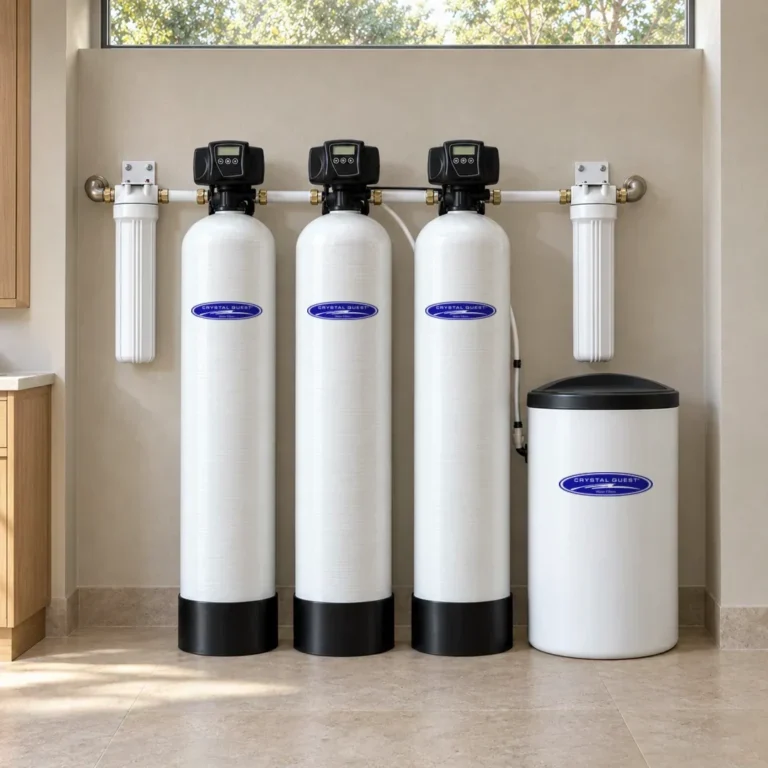
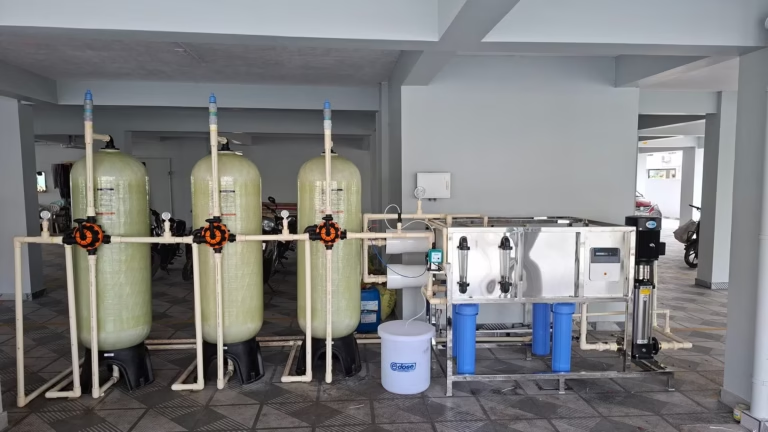
For example, a sediment filter is designed to capture particles, while certain carbon filters can reduce specific tastes and odours. Water softeners address hardness minerals, and reverse osmosis systems can reduce many dissolved substances when properly selected. Ultraviolet treatment may be appropriate for controlling susceptible microorganisms when the water conditions and system design support effective disinfection.
No single technology removes everything. A softener won’t automatically make contaminated water safe to drink, and a standard carbon filter isn’t designed to solve every microbiological problem. When several concerns are present, a combination of treatment methods may be appropriate, but each component should have a clear purpose.
Think about where treatment is needed, too. A whole-house system treats water as it enters the property, while a point-of-use unit treats water at a specific tap. If the main concern involves drinking and cooking, a kitchen system might be enough. If hardness is affecting several bathrooms and appliances, broader treatment may make more sense.
Why Professional Installation Matters
Even a suitable system can perform poorly if it’s installed incorrectly. Pipe connections, flow rates, drainage arrangements, available space, and water pressure all influence how well the equipment works. A unit that is too small for household demand may struggle during busy mornings, while a poorly planned setup can make future servicing unnecessarily difficult.
Professional installation can help ensure that the equipment is correctly sized, connected, and configured for the home’s plumbing. Before work begins, ask the provider to explain the proposed location, any plumbing changes, and whether electrical connections or a drain line will be needed. If the system requires a bypass valve, storage tank, or dedicated drinking-water tap, those details should be included in the plan.
It’s also worth discussing what the installation quote covers. Does it include labour, fittings, testing, cleanup, and removal of old equipment? Are permits required under local rules? Clear answers help prevent unexpected costs after the work has started.
Once the system is in place, ask the installer to demonstrate the basic controls and explain how to recognise a problem. You shouldn’t have to guess what an indicator light means or wonder when a filter needs replacing. A short handover can save plenty of frustration later.
Look at the Long-Term Cost, Not Just the Price Tag
The purchase price is only one part of owning a water treatment system. Depending on the technology, ongoing expenses may include replacement cartridges, membranes, salt, electricity, water use, and professional servicing.
Before committing, ask how often consumable parts need replacing and whether they are readily available. Some systems have straightforward filter changes that homeowners can handle themselves. Others may need specialist attention, particularly when they include electronic controls, UV lamps, or complex plumbing connections.
It can be helpful to compare estimated annual running costs alongside the upfront price. A lower-priced unit may require frequent replacements, while a more expensive system could have different operating costs. Neither is automatically the better option; the important thing is understanding the full picture.
Warranty terms deserve attention as well. Check what is covered, how long the coverage lasts, and whether particular servicing requirements must be met. Keep receipts and installation records somewhere accessible, especially if you may need support in the future.
Routine Maintenance Protects Your Investment
Water treatment equipment isn’t something you can install and forget about. Filters gradually collect particles, membranes have a limited service life, and certain systems need periodic cleaning or inspection. Without regular care, performance can decline even when the equipment appears to be working normally.
A simple maintenance schedule makes these responsibilities easier to manage. Record the installation date, set reminders for filter changes, and follow the manufacturer’s instructions for cleaning or servicing. If your system uses salt for regeneration, check the supply as recommended. If it uses ultraviolet treatment, make sure the lamp and protective sleeve are serviced at the appropriate intervals.
Pay attention to changes in water taste, odour, appearance, or pressure. These signs don’t always indicate a serious problem, but persistent changes deserve investigation. If you suspect contamination, arrange suitable testing rather than relying on the treatment unit alone.
Periodic testing can also help confirm whether the system is meeting its intended purpose. The appropriate frequency depends on the water source, the contaminants of concern, and local guidance.
Make Water Treatment Work for Your Household
The most useful water treatment setup isn’t necessarily the largest or most advanced one. It’s the system that addresses the actual issue, fits your household’s water use, and can be maintained without unnecessary difficulty.
Start with reliable information, compare suitable technologies, and ask providers to explain their recommendations in plain language. Take your time reviewing the costs and don’t feel pressured to buy equipment that hasn’t been justified by your water conditions.
When testing, thoughtful planning, proper installation, and routine care all work together, water treatment becomes much easier to manage. You’ll have a clearer understanding of what’s happening in your home, why a particular system is being used, and what you need to do to keep it working as intended. That’s a far more reassuring place to start than simply hoping the problem goes away.