Water has a way of becoming part of the background of everyday life. We use it to make morning coffee, wash vegetables, fill the kettle, and get the kids ready for school. Most days, we turn on the tap without giving it much thought. But when the water starts tasting strange, leaves stains on the sink, or develops an unpleasant smell, it’s hard to ignore.
The tricky part is figuring out what to do about it. Not every water problem needs the same solution, and buying a treatment system without understanding the cause can lead to unnecessary expense. Some homes need better drinking water filtration, while others require treatment for minerals, iron, sediment, or other contaminants.
A little investigation goes a long way. Once you understand your water supply and the issues affecting it, choosing suitable equipment becomes much easier.
Start With the Water You Actually Have
Before comparing filters or requesting installation estimates, take a closer look at your water source. Homes connected to a municipal supply have different considerations from properties that rely on private wells. Even neighboring houses can experience different problems because of plumbing materials, local groundwater conditions, or the age of their water systems.
Changes in taste and smell can provide useful clues, although they rarely identify a problem with certainty. A swimming-pool-like odor may be associated with chlorine or related disinfectants. Brown staining can sometimes indicate iron, while white deposits around faucets often point to hard water. None of these signs alone tells the complete story.
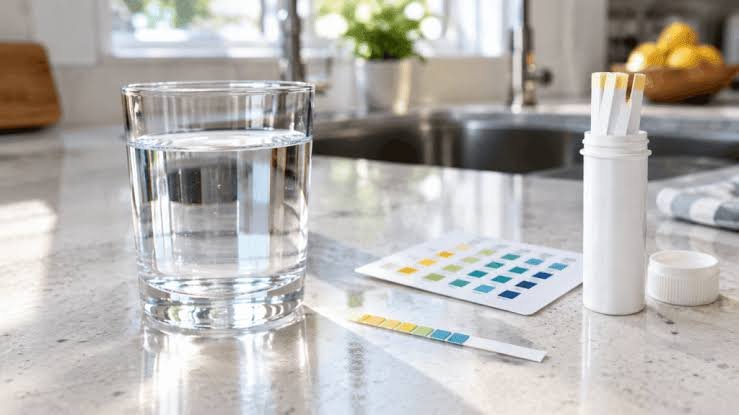
That’s where a proper water test becomes valuable. Depending on the source and suspected issue, testing may include pH, hardness, iron, manganese, bacteria, nitrates, and other relevant substances. Private well owners should follow local public-health recommendations for testing frequency, particularly after flooding, repairs, or noticeable changes in water quality.
Testing also helps avoid a common mistake: choosing equipment based on a broad marketing claim rather than a demonstrated need. A system designed to improve taste won’t necessarily remove dissolved contaminants, and a standard sediment filter won’t solve every mineral-related issue.
Cleaner Drinking Water Without Guesswork
Many households begin exploring treatment because they want better-tasting water for drinking and cooking. The water might be safe but have an unpleasant aftertaste, or the family may simply prefer the convenience of treating water at home instead of continually buying bottled alternatives.
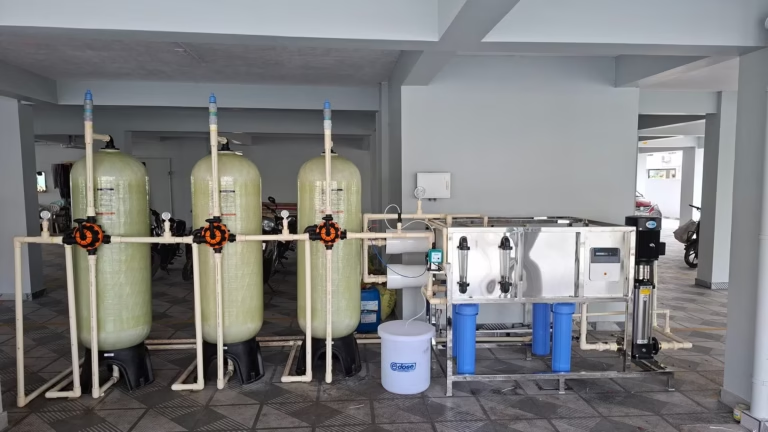
Modern RO & drinking water systems offer several options for addressing these concerns. Reverse osmosis, commonly called RO, pushes water through a semipermeable membrane that reduces many dissolved substances. Depending on the equipment and its certification, an RO system can reduce certain dissolved salts, metals, and other contaminants.
That doesn’t mean every RO unit performs identically. Actual results depend on the membrane, system design, incoming water quality, maintenance, and the specific contaminants being evaluated. Consumers should check independently verified performance claims rather than relying on general statements that a product makes water completely pure.
RO systems also produce wastewater as part of their operation. Efficiency varies considerably by model and operating conditions, so it’s worth asking about water recovery, filter replacement costs, and the expected lifespan of the membrane before making a decision.
For some households, activated carbon filtration may be sufficient to improve chlorine taste and odor. Others may need a combination of technologies. There is no reason to install an elaborate drinking-water system if a simpler, properly certified option can address the actual concern.
The Different Challenges of Well Water
Private wells offer independence from a municipal supply, but they also place more responsibility on the property owner. Groundwater quality can vary significantly from one location to another, and a well that has provided clear water for years isn’t guaranteed to remain unchanged.
Depending on the local geology and surrounding land use, well water may contain elevated iron, manganese, hardness minerals, arsenic, nitrates, or other substances. Microbial contamination is another concern, particularly when a well casing is damaged, surface water enters the well, or nearby flooding affects the water source.
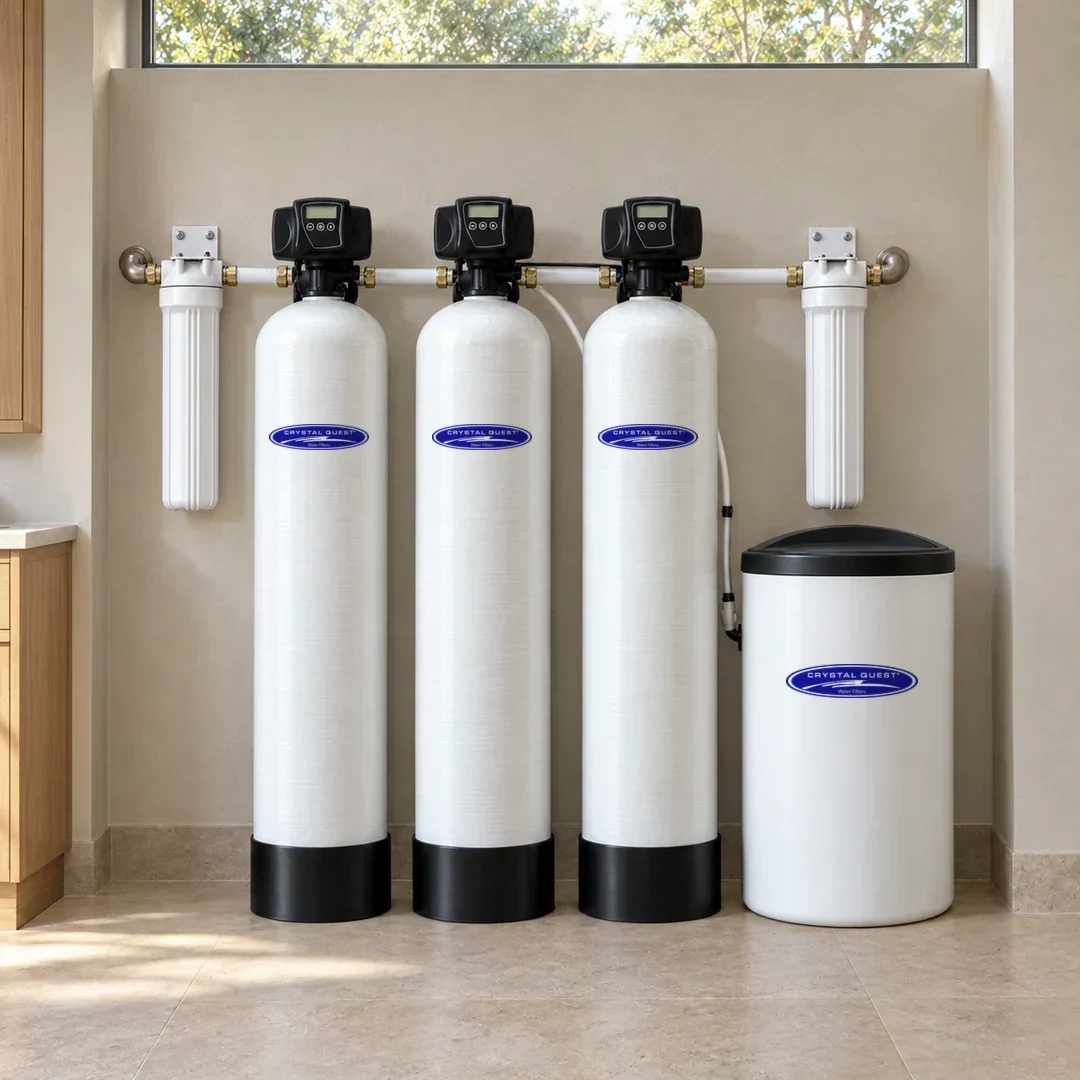
Appropriate well water treatment begins with laboratory testing and an understanding of the property’s conditions. This is especially important because different contaminants require different approaches. A softener may address hardness and, under suitable conditions, some iron, but it isn’t a universal solution for bacteria, arsenic, or nitrates.
For example, a household dealing with orange stains around bathroom fixtures may need iron treatment, while a well with a confirmed bacterial problem could require disinfection and an inspection to identify the contamination source. Installing a filter without addressing a damaged well or contaminated water pathway may leave the underlying issue unresolved.
Regular testing is part of responsible well ownership. At a minimum, homeowners should follow local health department guidance for routine bacterial and nitrate testing, with additional tests based on regional risks. If results indicate contamination, consult a qualified water-treatment professional and the appropriate public-health authority before deciding on equipment.
When Ordinary Filtration Isn’t Enough
Some water problems are more complicated than sediment, chlorine taste, or hardness. Certain homes may experience persistent iron staining, sulfur-like odors, unusual acidity, or specific contaminants that require carefully selected treatment methods.
This is where problem water / specialty filtration becomes relevant. Rather than relying on one general-purpose filter, specialty systems are selected to target a particular water-quality challenge. Depending on the test results, possible solutions include oxidation and filtration for certain iron or manganese conditions, activated carbon for selected compounds, neutralizing filters for acidic water, or specialized media for particular contaminants.
Water that smells like rotten eggs, for instance, may contain hydrogen sulfide, although other causes are possible. Treatment options depend on the concentration, the water chemistry, and whether the problem originates in the well, plumbing, or drainage system. A solution that works well for one property might perform poorly at another.
The same principle applies to unusual staining and discoloration. Iron, manganese, corrosion, and sediment can produce similar-looking symptoms but require different responses. A qualified professional can interpret the results and recommend a system that matches the problem rather than simply offering the most expensive package.
Specialty equipment may involve higher initial costs, so ask for a clear explanation of its purpose, operating requirements, and expected results. It’s reasonable to request supporting test results and information about maintenance before committing.
Installation and Maintenance Matter More Than You Might Think
Even good equipment can disappoint when it is installed incorrectly or neglected. Filters have limited capacities, membranes gradually lose performance, and treatment media may need periodic replacement or regeneration. Skipping routine service can reduce effectiveness and increase long-term costs.
Before installation, make sure the equipment is appropriately sized for the household’s water use and flow requirements. A system that works for a couple living in a small apartment may not be suitable for a large family with several bathrooms.
Ask the installer to explain the maintenance schedule in plain language. Find out which cartridges need replacing, whether the system requires electricity or drainage, and how you’ll know when servicing is due. Keep records of replacement dates and any follow-up water tests.
It’s also wise to check whether the system requires changes to drinking-water storage, plumbing connections, or wastewater disposal. These practical details may not be exciting, but they can make the difference between a convenient setup and an ongoing headache.
Choose Water Treatment With Confidence
The best water-treatment decision usually starts with a simple question: what exactly needs to improve? Better taste, reduced hardness, fewer mineral stains, and protection against a confirmed contaminant are different goals. Each deserves a solution designed for that purpose.
Begin with testing, compare suitable technologies, and look beyond the initial purchase price. Replacement filters, service visits, water usage, and system performance all contribute to the true cost of ownership.
Most importantly, don’t assume that clearer water is automatically safer or that one treatment method can solve every problem. Reliable test results and independently supported performance claims provide a much stronger foundation than guesswork.
When the right system is matched to the right conditions, water treatment becomes less complicated. You can enjoy better-tasting drinking water, protect household equipment where appropriate, and address specific water-quality concerns with greater confidence. That’s a practical improvement worth making, one informed decision at a time.