Water problems have a habit of showing up at inconvenient moments. You’re preparing dinner when you notice an unusual smell coming from the kitchen faucet, or you’re getting ready for work and discover another rusty stain in the bathroom sink. For business owners, inconsistent water quality can create additional maintenance headaches and interrupt otherwise smooth operations.
Taking a proactive approach to water quality testing and treatment helps property owners throughout Lancaster and Southeastern Pennsylvania understand these concerns before investing in equipment.
The process doesn’t need to be overwhelming. With reliable information, thoughtful equipment selection, and a reasonable maintenance routine, improving water quality becomes a much more manageable responsibility.
What Can Your Water Tell You About Your Property?
Sometimes, the first signs of a water quality problem appear in unexpected places. White deposits inside a kettle may suggest excessive hardness, while reddish stains around plumbing fixtures could indicate elevated iron concentrations.
A noticeable disinfectant smell may be associated with municipal water treatment, whereas earthy odors can have several different causes.
These observations are useful, but they don’t tell the entire story. Certain potentially harmful contaminants cannot be detected through appearance, taste, or smell.
Municipal water customers can review their supplier’s water quality reports, while homeowners relying on groundwater should arrange appropriate laboratory testing.
Understanding what’s actually present in your water helps prevent unnecessary purchases and provides a clearer direction when considering treatment.
Looking After Your Private Well in Southeastern Pennsylvania
Living outside the city often means enjoying beautiful countryside, quieter surroundings, and the independence of having your own water supply. However, owning a well comes with responsibilities that shouldn’t be overlooked.
Appropriate well water treatment begins with understanding groundwater conditions and identifying the particular substances that require attention.
Naturally occurring minerals can contribute to hardness, staining, and unpleasant flavors. Microbial contamination and nitrate may also be present without noticeable warning signs.
Private well owners should arrange annual laboratory testing for common concerns such as bacteria and nitrate, with additional testing based on local conditions.
Testing becomes especially important following flooding, significant well repairs, or sudden changes in water quality.
If harmful contamination is suspected, use a verified safe alternative for drinking and cooking until appropriate corrective measures and testing confirm safety.
Finding Filtration That Works for Different Properties
The water requirements of a family home are considerably different from those of a busy restaurant, hotel, or commercial facility.
Effective home and business water filtration should reflect these differences, taking into account water consumption, peak demand, incoming water conditions, and specific treatment objectives.
For homeowners, reducing excessive hardness or improving drinking water taste might be the main priority.
A café owner, meanwhile, may be particularly interested in consistent water characteristics for beverage preparation and protecting coffee-making equipment from mineral scale.
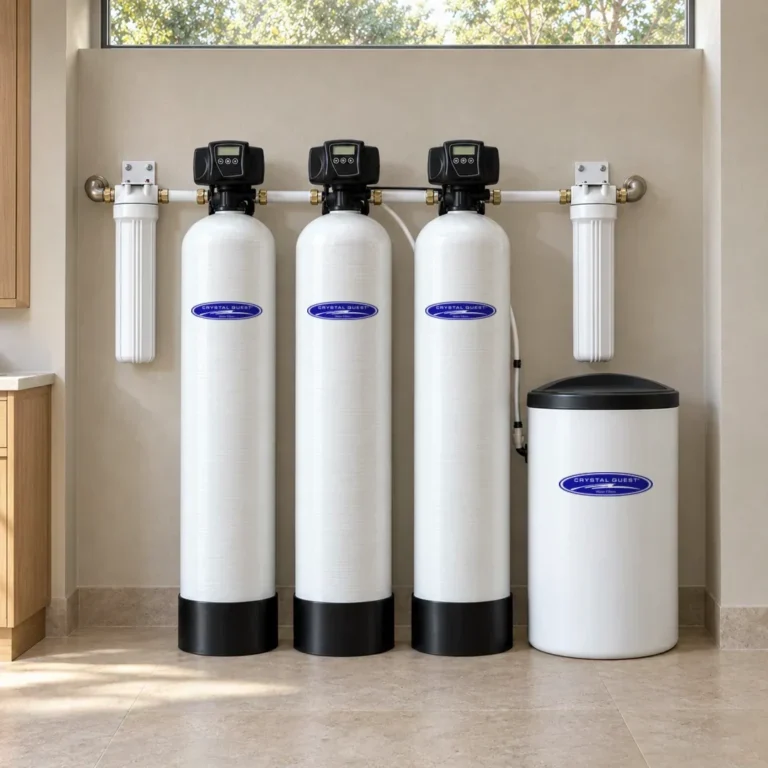
Sediment filters, activated carbon systems, water softeners, and reverse osmosis equipment each serve different purposes.
Choosing the right combination requires more than comparing prices. It involves understanding how treatment fits into the daily activities of the property.
Why Water Quality Matters to Local Businesses
Imagine running a small restaurant in Lancaster where customers regularly order freshly brewed coffee, homemade soups, and other beverages. Water influences many of these products, even though it rarely appears on the menu.
Unpleasant flavors can affect certain drinks and dishes, while excessive hardness may contribute to scale buildup inside commercial water-heating equipment.
Suitable treatment can help businesses maintain more consistent water characteristics and support routine equipment maintenance.
However, commercial systems must accommodate realistic operating demands. Equipment that works perfectly well in a residential kitchen might be insufficient for a restaurant serving dozens of customers during a busy lunch period.
Business owners should discuss operating schedules, equipment requirements, and ongoing servicing before selecting treatment.
Understanding When Different Treatment Methods Are Necessary
One common mistake is assuming that any water filter will address every water quality concern. Unfortunately, water chemistry isn’t quite that straightforward.
Sediment filtration captures suspended particles such as sand, silt, and rust. Activated carbon can help reduce certain unwanted tastes, odors, and chemicals.
Conventional water softeners address dissolved calcium and magnesium, while reverse osmosis can reduce many dissolved substances.
Specialized equipment may be required for elevated iron concentrations or microbial concerns.
Sometimes, combining several technologies makes sense. In other situations, a single treatment method is sufficient.
Reliable testing and independently verified equipment capabilities should guide these decisions rather than attractive packaging or impressive marketing promises.
Making Water Treatment Maintenance Part of Your Routine
Installing treatment equipment is only the beginning. Continued performance depends on proper maintenance, suitable operating conditions, and periodic assessments.
Filter cartridges gradually accumulate particles, carbon media eventually exhausts its treatment capacity, and conventional softeners require regenerating salt.
Before committing to an installation, ask about replacement component expenses, recommended servicing intervals, and maintenance accessibility.
Keeping previous laboratory reports alongside equipment maintenance records can help identify changes over time.
For businesses, scheduling maintenance outside peak operating hours may also help minimize disruption.
A dependable treatment arrangement should make water management easier, not create another complicated responsibility that constantly demands attention.
Building Greater Confidence in Your Water Supply
For families and business owners throughout Lancaster and Southeastern Pennsylvania, improving water quality doesn’t necessarily require dramatic renovations or expensive equipment.
Start by understanding your supply, identify the concerns that genuinely need attention, and choose treatment based on reliable findings.
The rewards may become noticeable in familiar moments — enjoying a better-tasting cup of coffee, spending less time removing mineral deposits, or preparing meals with appropriately treated water.
Water supports nearly everything that happens in our homes and businesses. Yet its quality often receives attention only when something goes wrong.
Taking care of this essential resource today is a practical investment in everyday comfort, responsible property management, and a more dependable water supply for the years ahead.