Category: Renovations

  • 10 Bathroom Renovation Mistakes That Cost You Thousands

    10 Bathroom Renovation Mistakes That Cost You Thousands

    Six months after finishing her bathroom, my cousin noticed water pooling near the shower drain every single time. Turned out the flooring wasn’t sloped properly. Fixing it meant breaking freshly laid tiles and redoing the whole floor — nearly ₹40,000 down the drain, quite literally.

    This is exactly the kind of thing nobody warns you about. Bathroom renovation mistakes rarely show up on day one. They creep in weeks or months later, usually as a leak, a smell, or a fixture that just stops working right. And by then, fixing them costs far more than getting it right the first time would have. This guide walks through the mistakes I’ve seen most often, so you don’t have to learn them the expensive way.

    Why Bathroom Renovation Mistakes Are So Costly to Fix

    Direct answer: Bathroom renovation mistakes cost more to fix than other home repairs because correcting them usually means breaking tiles, exposing plumbing, or redoing waterproofing — work that’s disruptive, time-consuming, and often 2-3 times more expensive than doing it right initially.

    Unlike a bedroom or living room, bathrooms involve layers you can’t easily access once tiled over. Waterproofing sits under the flooring. Pipes run inside walls. Get any of that wrong, and you’re not just repainting a wall — you’re demolishing finished work to reach the problem.

    I’ve noticed contractors rarely explain this upfront, probably because it’s not exactly a selling point. But knowing this changes how you should approach planning from day one.

    Mistake #1: Skipping Proper Waterproofing

    This is, hands down, the most expensive mistake homeowners make. Skimping on waterproofing to save ₹10,000-15,000 upfront can lead to seepage repairs costing ₹50,000 or more down the line, especially in apartments where water damages the flat below too.

    Good waterproofing isn’t optional in Indian bathrooms, given how much water usage happens daily. Insist on at least two coats of waterproofing compound, properly cured before tiling begins. Don’t let anyone rush this step.

    Mistake #2: Poor Floor Slope for Drainage

    Bathroom floors need a slight slope — typically 1:100 to 1:80 — directing water toward the drain. Get this wrong, and you’ll have standing water no matter how often you squeegee it away.

    Has this ever happened to you — mopping a bathroom floor and watching water just sit there stubbornly in one corner? That’s almost always a slope issue, and it’s a genuinely painful, expensive fix once tiles are already down.

    Mistake #3: Choosing the Wrong Tiles

    Not all tiles suit bathroom floors. Glossy tiles look premium in showroom lighting but turn dangerously slippery once wet.

    A few things to keep in mind here:

    • Anti-skid or matte-finish tiles are non-negotiable for bathroom flooring, especially in homes with elderly family members or kids.
    • Large-format tiles look modern, but they need a perfectly level base or they crack over time.
    • Wall tiles can be glossy — it’s really just the floor that needs the grip.

    I genuinely think this is one of the most overlooked bathroom renovation mistakes, because tile choice feels like a purely aesthetic decision when it’s actually a safety one too.

    Mistake #4: Underestimating Ventilation Needs

    A bathroom without proper ventilation turns into a mold problem within a year, sometimes sooner in humid coastal cities like Mumbai or Chennai.

    Exhaust fans cost as little as ₹1,500-3,000, yet plenty of renovations skip them entirely to save money. That’s a mistake that costs far more later — mold remediation and repainting easily crosses ₹15,000-20,000 once it sets in.

    [link to related guide on bathroom ventilation solutions here]

    Mistake #5: Choosing Cheap Fittings to Save Money

    Direct answer: Cheap taps, showerheads, and flush systems often fail within 1-2 years, leading to leaks and repeated plumber visits that cost more collectively than investing in mid-range fittings from a reputable brand upfront.

    I get the instinct — fittings feel like an easy place to cut costs since they’re small. But a ₹500 tap that leaks within eight months isn’t actually cheaper than a ₹1,800 one that lasts five years. Do the math before you decide.

    Mistake #6: Ignoring Plumbing Layout Changes

    Moving a sink or shower to a new spot sounds simple on paper. In reality, it means rerouting pipes inside walls, which is expensive and occasionally structurally risky in older buildings.

    If your budget’s tight, keeping fixtures roughly where they already are saves a surprising amount. One friend in Ahmedabad saved almost ₹35,000 simply by redesigning around the existing plumbing points instead of relocating everything.

    Mistake #7: Not Budgeting for Hidden Structural Issues

    Older bathrooms, especially in buildings over 15-20 years old, often hide surprises once you start breaking things open — corroded pipes, cracked waterproofing membranes, or outdated electrical wiring near wet zones.

    Always keep 15-20% of your renovation budget as a buffer. It sounds excessive until the day your contractor calls asking for another ₹25,000 because the pipes behind the wall were falling apart.

    Mistake #8: Poor Lighting and Electrical Planning

    Bathroom electrical work needs to be genuinely safe — proper insulation, correctly placed switches away from wet zones, and adequate lighting near mirrors.

    Common issues I’ve seen:

    1. Only one overhead light, leaving shaving or makeup areas poorly lit
    2. Switches placed too close to the shower area, which is a safety hazard
    3. No provision for a geyser point planned in advance, leading to messy exposed wiring later

    Mistake #9: Rushing the Contractor Selection Process

    This one’s less about materials and more about who’s doing the work. Picking the cheapest contractor without checking references is one of the classic bathroom renovation mistakes that snowballs into everything else on this list.

    Ask to see photos of at least two previous bathroom projects, not just living rooms or kitchens — bathroom work genuinely requires different expertise. And always get a written quote breaking down materials versus labour separately.

    [link to related guide on hiring a reliable home renovation contractor here]

    Mistake #10: Skipping a Final Leak Test Before Tiling Over

    Once tiles go down, checking for leaks becomes a demolition job. Smart renovators insist on a 24-48 hour water-ponding test on the waterproofed floor before any tiling begins.

    It’s a small step that costs nothing extra beyond a bit of patience, yet it’s skipped constantly because contractors want to move fast. Push back on this if you have to. It’s worth the delay.


    Frequently Asked Questions

    What’s the most common and expensive bathroom renovation mistake? Skipping proper waterproofing tops the list by far. It’s invisible once the floor is tiled, but fixing seepage after the fact often costs three to four times what proper waterproofing would have cost upfront.

    How much extra should I budget for unexpected bathroom renovation costs? Keep a buffer of 15-20% above your planned budget. Older buildings especially tend to reveal plumbing or structural surprises once walls are opened up.

    Should I always hire a licensed plumber for bathroom renovation work? Yes, particularly for anything involving pipe relocation or waterproofing. A general contractor without plumbing expertise is one of the more common bathroom renovation mistakes homeowners make unknowingly.

    How long should a proper bathroom renovation take? A standard bathroom renovation typically takes 3-4 weeks, factoring in waterproofing curing time, tiling, and fitting installation. Rushed timelines usually mean corners got cut somewhere.

    Are anti-skid tiles really necessary, or is that overkill? They’re genuinely necessary, not optional. Regular glossy tiles become dangerously slippery when wet, and the cost difference between anti-skid and glossy tiles is usually minimal.

    Can I renovate my bathroom without breaking the existing tiles? Sometimes, if the underlying structure and waterproofing are sound. This is called a bathroom refresh rather than a full renovation, and it’s considerably cheaper — but only viable if there’s no existing leakage or slope issue.

    Final Thoughts

    Most bathroom renovation mistakes aren’t about bad taste in tiles or fixtures — they’re about skipping the boring, invisible stuff like waterproofing, slope, and ventilation that nobody notices until it fails. Spend your money where it actually matters, and don’t let a contractor rush past the steps that protect you later.

    Before your renovation starts, sit down with your contractor and go through this list point by point. Ask them directly how each one will be handled. If they get impatient with the questions, that itself tells you something.
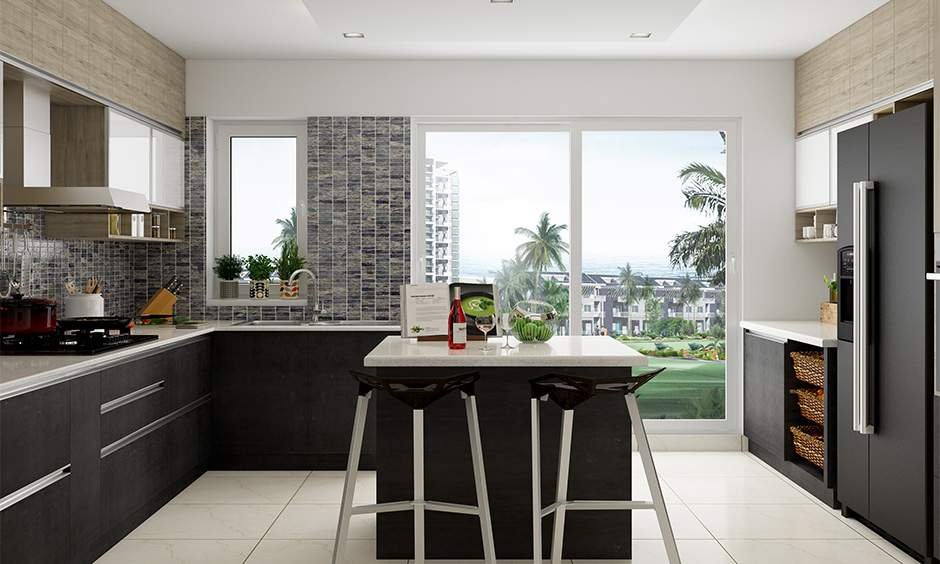
  • Kitchen Renovation Cost Guide 2026: What to Really Expect

    Kitchen Renovation Cost Guide 2026: What to Really Expect

    Got three quotes for your kitchen and they’re all over the place? One contractor says ₹3 lakh, another says ₹8 lakh, and you’re left wondering who’s overcharging and who’s cutting corners. Sound familiar?

    The truth is, kitchen renovation cost in India varies wildly because so few people actually explain what’s driving the number. Material choice, kitchen size, and labour rates in your city all pull the final bill in different directions. I’ve helped a couple of friends navigate quotes over the years, and honestly, most contractors don’t break things down clearly unless you push them to. This guide does that pushing for you.

    What Actually Determines Kitchen Renovation Cost

    Direct answer: Kitchen renovation cost in India is primarily determined by cabinet material (laminate vs. acrylic vs. veneer), countertop choice (granite vs. quartz), kitchen layout size, and city-specific labour rates — typically ranging from ₹1,200 to ₹3,500 per square foot for a mid-range job.

    A small kitchen and a large one obviously cost differently, but that’s the obvious part. What surprises people is how much cabinet finish alone swings the number. Basic laminate shutters might run ₹900-1,200 per square foot of cabinetry, while acrylic or PU finishes can climb to ₹2,000-2,800.

    Labour costs also shift depending on where you live. A modular kitchen installer in a Tier 1 city like Mumbai or Bengaluru typically charges more than the same work in a Tier 2 city like Indore or Jaipur — sometimes 20-30% more.

    Budget-Friendly vs Premium Kitchen Renovation Cost Ranges

    Let’s put actual numbers on the table, because vague ranges don’t help anyone plan.

    For a standard 10×10 ft kitchen in India:

    • Budget tier: ₹2-4 lakh — laminate cabinets, granite countertop, basic fittings
    • Mid-range tier: ₹4-7 lakh — semi-modular design, quartz or better granite, branded hardware
    • Premium tier: ₹8 lakh and above — full modular setup, imported appliances, acrylic or veneer finishes

    I’ll be honest, most middle-class Indian households land comfortably in the budget-to-mid range, and there’s really no shame in that. A ₹3 lakh kitchen done thoughtfully often looks just as good in photos as one that cost double.

    Picture a small business owner in Jaipur renovating their kitchen alongside opening a home bakery. They stuck to a ₹3.5 lakh budget, chose laminate over acrylic, and put the savings into a better chimney and hob instead. Smart trade-off, honestly.

    Cabinet and Storage Costs Explained

    Cabinets usually eat up the biggest chunk of any kitchen renovation cost breakdown — often 40-50% of the total budget.

    Here’s roughly how material choice affects pricing per running foot:

    1. Laminate shutters — ₹900-1,300 per sq ft, durable, wide colour range, most budget-friendly
    2. Acrylic shutters — ₹1,800-2,500 per sq ft, glossy finish, shows fingerprints more easily
    3. Veneer shutters — ₹2,200-3,000 per sq ft, natural wood look, needs more maintenance in humid climates

    Something I’ve noticed: a lot of first-time renovators overspend on shutters and underspend on internal cabinet fittings like pull-out baskets and cutlery trays. Those little additions genuinely change daily usability more than a glossy finish does.

    Countertop Material and Its Impact on Cost

    Countertops don’t just affect looks — they affect long-term maintenance too, which people tend to forget while comparing quotes.

    Granite remains the most popular choice in Indian kitchens, priced around ₹150-400 per square foot depending on the variety. Quartz costs more, typically ₹250-600 per square foot, but resists staining better and needs less sealing over time.

    Marble looks stunning, sure, but I wouldn’t recommend it for a kitchen countertop. It stains easily with turmeric and oil — and if you cook Indian food daily, that’s basically a guarantee.

    [link to related guide comparing granite vs quartz countertops here]

    Appliance and Fitting Costs to Factor In

    This is where a lot of renovation budgets quietly balloon. People plan for cabinets and countertops, then forget appliances add another ₹1-2 lakh easily.

    Rough numbers to keep in mind:

    • Chimney (decent brand): ₹8,000-20,000
    • Built-in hob: ₹6,000-15,000
    • Modular sink with faucet: ₹5,000-12,000
    • Water purifier installation: ₹8,000-15,000

    Has this ever happened to you — getting a kitchen quote that seemed reasonable, only to realize appliances weren’t even included? Always ask this upfront. It’s one of the most common ways contractors’ initial quotes look cheaper than they actually are.

    Labour Charges and Regional Price Differences

    Direct answer: Labour typically accounts for 25-35% of total kitchen renovation cost, with rates varying by city — expect ₹250-450 per sq ft for installation labour in metros versus ₹150-300 per sq ft in smaller cities.

    Contractors in bigger cities often bundle design consultation fees into labour costs too, which smaller local carpenters usually skip. That’s not necessarily a bad thing — sometimes that design input is worth paying for, especially if you’re renovating for the first time and don’t know what you don’t know.

    Hidden Costs People Forget to Budget For

    Nobody warns you about these until you’re mid-renovation and suddenly writing an extra cheque.

    • Electrical rewiring — older homes often need this for new appliances, easily ₹15,000-30,000
    • Plumbing adjustments — moving a sink or dishwasher connection isn’t cheap, budget ₹5,000-15,000
    • Waste disposal and demolition — removing an old kitchen setup can cost ₹5,000-10,000 depending on scope
    • GST — often not included in initial quotes, adds 18% on materials and services

    I always tell people to keep a buffer of at least 10-15% above their planned budget. Something always comes up. Always.

    How to Save on Kitchen Renovation Cost Without Cutting Corners

    You don’t have to choose between quality and affordability everywhere. Some trade-offs matter more than others.

    Smart places to save:

    • Choose laminate over acrylic for shutters — the durability difference is minimal for most households
    • Buy appliances during festival sales (Diwali and end-of-year sales often knock 15-20% off)
    • Reuse existing plumbing and electrical points where layout allows
    • Get quotes from at least three contractors, and don’t automatically pick the cheapest — ask what’s excluded

    Places I wouldn’t cut corners: countertop material near the cooking area, and the quality of hinges and drawer channels. Cheap hinges wear out within a year or two, and replacing them later costs more than paying slightly extra upfront.

    [link to related guide on choosing a reliable kitchen contractor here]


    Frequently Asked Questions

    What is the average kitchen renovation cost in India in 2026? For a standard mid-sized kitchen, expect somewhere between ₹3-6 lakh for a decent mid-range setup, though budget options can go as low as ₹2 lakh and premium ones well past ₹10 lakh.

    Is a modular kitchen worth the extra cost compared to a carpenter-built one? Modular kitchens offer better finish quality and standardized fittings, but a skilled local carpenter can often deliver similar functionality for 20-30% less, especially for simpler layouts.

    How long does a typical kitchen renovation take? Most renovations take 3-6 weeks from demolition to final installation, though this stretches longer if custom cabinetry or imported materials are involved.

    Should I renovate my kitchen before selling my home? A full renovation rarely pays for itself at resale. Smaller upgrades — new countertop, hardware, paint — usually offer better returns than a complete overhaul.

    Can I renovate my kitchen in phases to spread out the cost? Yes, though it’s not ideal. Cabinets and countertops together in one phase tend to work better than splitting them, since matching finishes later can be tricky.

    Does kitchen renovation cost include appliances by default? Usually not. Most contractor quotes cover cabinetry, countertop, and basic fittings only — appliances like the chimney, hob, and water purifier are typically billed separately.

    Final Thoughts

    Getting your kitchen renovation cost right starts with knowing where the money actually goes — cabinets, countertops, labour, and those sneaky hidden costs nobody mentions upfront. Don’t just chase the lowest quote. Ask what’s included, compare apples to apples, and keep a buffer for surprises.

    Before you sign anything, get itemized quotes from at least three contractors and ask each one to walk you through exactly what’s excluded. That single question will save you more money than any negotiation tactic ever will.