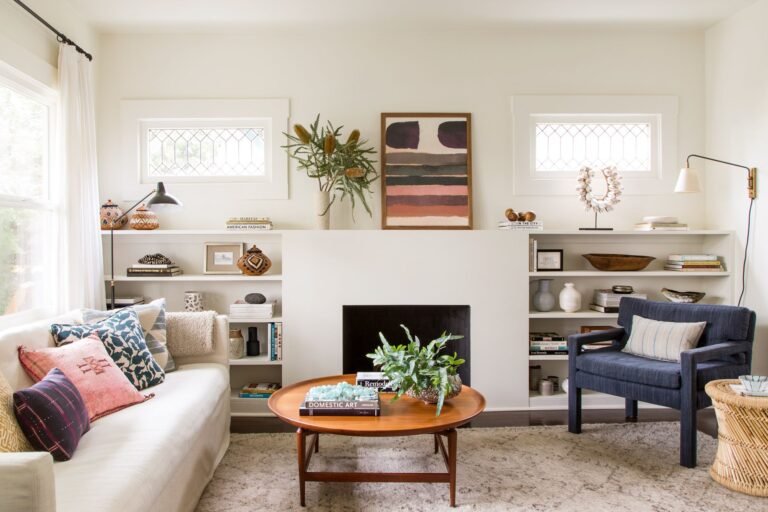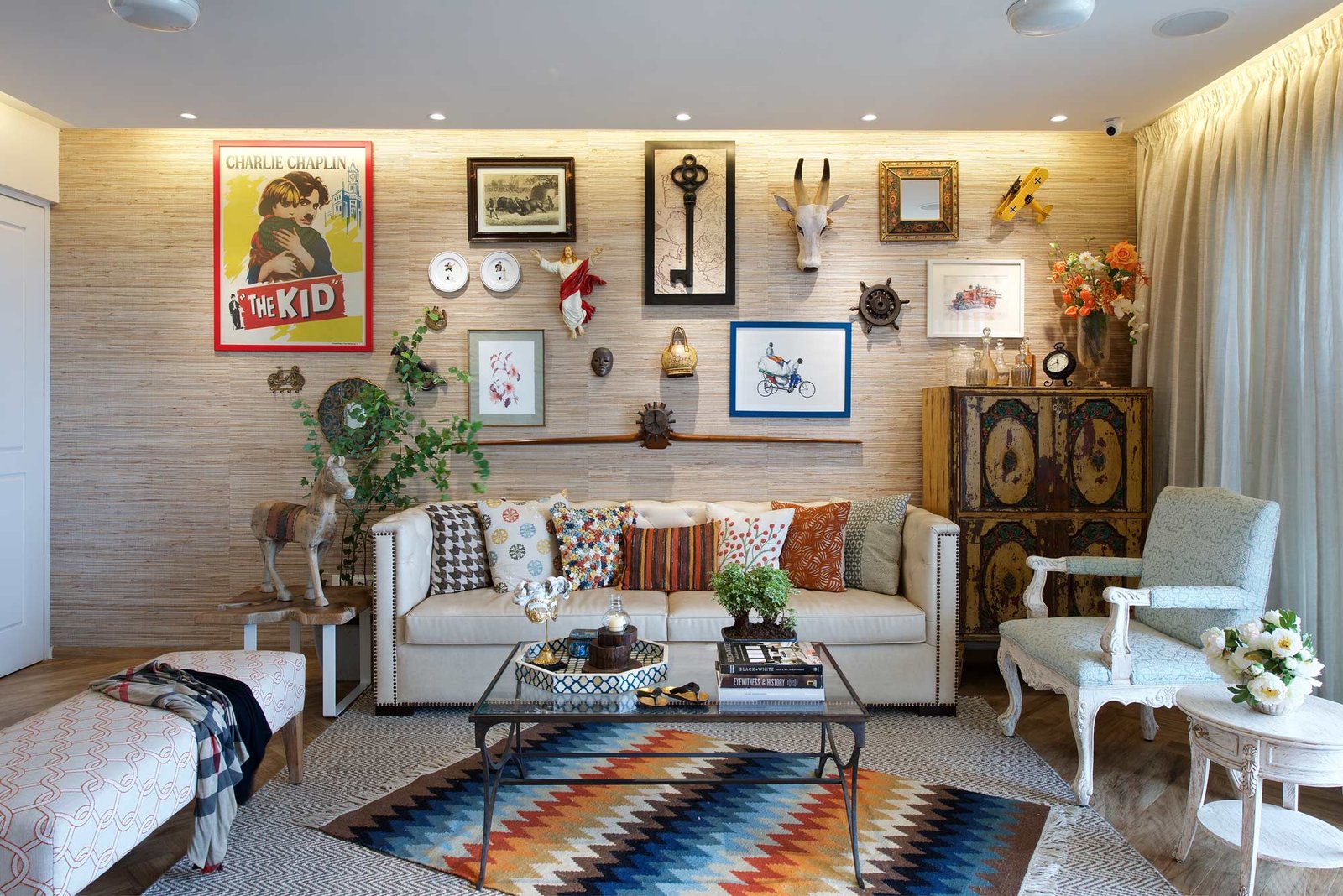
Ever walked into a friend’s small flat and wondered how their tiny living room feels so much bigger than yours, even though the actual square footage is probably similar? That’s usually not luck. It’s a handful of deliberate choices, and once you know what they are, small living room decorating ideas stop feeling like a mystery and start feeling like a checklist you can actually work through this weekend.
Most Indian city apartments deal with this exact challenge — 250, maybe 300 square feet of living space that somehow needs to fit a sofa, a TV unit, storage, and still feel like somewhere you’d want to sit and relax. I’ve lived in a couple of these compact flats myself, and trust me, the difference between a cramped-feeling room and an airy one usually comes down to five or six specific decisions, not some expensive renovation.
This guide walks through what genuinely works — tested ideas, not just theory — to make a small living room feel noticeably more open.
Why Small Rooms Feel Cramped in the First Place
Small living rooms feel cramped mainly due to poor furniture scale, cluttered visual lines, dark colors, and inadequate lighting — not necessarily the actual square footage available. Understanding this shifts the fix from “I need more space” to “I need to use this space smarter.”
Here’s something I’ve noticed after helping a few friends rearrange their flats: two rooms of identical size can feel completely different depending purely on furniture placement and color choices. The square footage rarely changes. The perception of space does.
A few common culprits behind that cramped feeling:
- Furniture that’s too bulky or too tall for the room’s proportions
- Too many small, scattered decor pieces creating visual clutter
- Dark or heavily patterned walls that visually shrink the space
- Poor lighting that leaves corners dim and undefined
- Furniture arranged to block natural walking paths through the room
Fix even three or four of these, and the room genuinely starts to feel different, not because it got bigger, but because it stopped fighting against itself visually.
Choose the Right Color Palette
Color does more heavy lifting in a small space than almost anything else on this list. Light, soft tones reflect more light and visually push walls outward, while dark colors, however beautiful, tend to close a small room in.
Light neutral colors — soft whites, warm beiges, pale greys — remain the most reliable choice for small living rooms because they reflect available light and create an airy, expansive feel without limiting furniture or decor choices.
That said, I don’t think small rooms need to be entirely colorless. One accent wall in a slightly deeper tone, especially behind the sofa, can add character without making the room feel boxed in. The key is restraint — one bold surface, not four.
[link to related guide on how to choose paint color for every room here]
A few practical color tips:
- Stick to a maximum of two to three colors across walls, furniture, and decor to avoid visual chaos
- Use the ceiling color to your advantage — a soft white ceiling, even slightly lighter than the walls, adds perceived height
- If you love bold color, save it for cushions, curtains, or a single accent piece rather than entire walls
Pick Furniture That Fits the Room’s Scale
This is where a lot of small living rooms go wrong, and honestly, it’s an easy mistake to make. That gorgeous oversized sofa looks amazing in the showroom. In a 250 sq ft living room, it eats the whole space and leaves nowhere to walk.
Scale matters more than style here. A few things to keep in mind:
- Choose a sofa with slim arms and visible legs rather than a bulky, low-to-the-ground design — visible floor space underneath furniture makes a room feel more open
- Skip the oversized coffee table; a smaller round or nesting table takes up less visual weight
- Multi-functional furniture genuinely earns its keep in small spaces — a storage ottoman, a sofa bed for guests, a console table that doubles as a workspace
- Measure before you buy, always. It sounds obvious, but I’ve seen too many people fall in love with a piece at the store without checking if it’ll actually leave enough walking space once it’s home
Picture a couple in a 1BHK in Pune trying to fit a sectional sofa meant for a much bigger room. It technically fit, but it blocked the balcony door and left barely 18 inches to walk around. They swapped it for a compact two-seater with a single accent chair, and the whole room suddenly had breathing space again — same square footage, completely different feel.
Use Mirrors to Trick the Eye
An old trick, but it genuinely works, and it’s one of the cheapest fixes on this entire list.
A large mirror placed opposite a window reflects natural light deeper into the room and visually doubles the sense of openness. Even without a window nearby, a well-placed mirror on a main wall creates depth that a flat wall simply doesn’t offer.
- One large statement mirror generally works better than several small ones scattered around
- Position it to reflect something pleasant — a window, a plant, an interesting piece of art — rather than a blank wall or clutter
- Mirrored furniture, like a mirrored console table, adds the same light-bouncing effect in a more subtle way
I’ll be honest, I was skeptical of this trick for years, thought it was more decorating myth than real technique. Then I actually tried it in my own living room, and the difference in how bright and open the space felt was more noticeable than I expected. Worth trying before you dismiss it.
Maximize Vertical Space With Smart Storage
When floor space is limited, shifting storage vertically — tall, narrow shelving units, wall-mounted cabinets, and floor-to-ceiling bookshelves — keeps clutter off the ground and draws the eye upward, making the room feel taller and more spacious.
Horizontal clutter is the enemy of a small living room. Every low cabinet, every stack of magazines on the floor, every scattered box eats into your visual floor space, which is exactly what makes a small room feel smaller than it is.
Ideas worth considering:
- Wall-mounted shelves instead of bulky bookcases sitting on the floor
- A TV unit with closed storage rather than open shelving that shows every cable and remote
- Tall, narrow bookshelves that use height rather than floor width
- Hooks or a slim wall-mounted organizer near the entrance for bags, keys, and everyday clutter
Vertical storage does double duty — it hides mess and draws the eye upward, which subtly makes ceilings feel higher than they actually are. Small change, surprisingly big visual payoff.
Let There Be Light — Layered Lighting Matters
Dim, single-source lighting is one of the fastest ways to make a small room feel smaller and gloomier than it actually is. Good lighting design, on the other hand, genuinely transforms how a compact space reads.
Aim for layered lighting rather than relying on one central ceiling light:
- A floor lamp in one corner for ambient warmth
- Task lighting near reading or work areas
- Accent lighting, like a small table lamp, to add depth and warmth to darker corners
- Keep window treatments light and sheer where privacy allows, so natural daylight isn’t blocked unnecessarily
Has this ever happened to you — walking into a room lit only by one harsh overhead bulb, and instantly feeling like the walls are closing in? Layered lighting fixes that instantly, and it’s genuinely one of the more affordable upgrades on this whole list. A couple of decent floor lamps can transform a room for under ₹5,000.
Keep Sightlines Open
This one’s less about individual pieces and more about the overall flow of the room, and it’s honestly the concept most decorating guides skip entirely.
A sightline is simply the unobstructed view across a room — from the entrance to the far wall, for instance. The longer and clearer that view, the bigger the room feels, regardless of actual square footage.
Practical ways to keep sightlines open:
- Avoid placing tall furniture directly in the entrance’s line of sight
- Choose furniture with open bases (legs, not solid panels) so the eye can travel underneath
- Keep the center of the room relatively clear rather than filling every gap with decor
- If you have a balcony or window at the far end, keep that view unobstructed — it extends the room visually beyond its actual walls
I think this is genuinely the most underrated concept in small-space decorating. People focus so much on individual furniture pieces, they forget to step back and check whether the whole room reads as open or chopped up into blocked visual segments.
Add Greenery Without Overcrowding
Plants add life to any room, but in a small living room, the way you use them matters more than in a larger space.
Skip the temptation to fill every corner with pots. A couple of well-placed plants — one taller floor plant in a corner, maybe a smaller trailing plant on a shelf — add warmth without contributing to clutter. Too many small pots scattered around actually work against the open feeling you’re trying to create.
[link to related article on best flooring options for compact homes here]
Tall, narrow plants like a snake plant or areca palm work particularly well in small spaces since they add height and greenery without eating up floor width the way a wide, bushy plant would.
Frequently Asked Questions
What color makes a small living room look bigger? Light, soft neutrals like warm whites, pale beiges, and light greys work best, since they reflect more natural light and don’t visually shrink the walls the way darker, saturated colors tend to.
Should I avoid rugs in a small living room? Not at all — a rug can actually help define the space, but choose one large enough that furniture legs sit on it, rather than a small rug that makes the room feel chopped into pieces.
Is it better to push furniture against the walls in a small room? Usually yes, since it opens up the center of the room and improves overall flow. That said, floating a piece slightly forward with legs visible can sometimes look more intentional than jamming everything flush against every wall.
How many pieces of furniture should a small living room have? Keep it minimal — a sofa, one or two seating pieces, a compact coffee table, and one storage unit is usually enough. Overcrowding a small space with too many furniture pieces defeats every other effort to make it feel open.
Do curtains affect how big a small living room feels? Yes, more than people expect. Light, sheer curtains that let daylight through help a lot, and hanging curtain rods closer to the ceiling rather than right above the window frame creates an illusion of higher ceilings too.
Can wallpaper work in a small living room, or should I stick to paint? Wallpaper can work beautifully as a single accent wall with a subtle, light-toned pattern. Avoid covering all four walls with busy or dark wallpaper, since that tends to visually shrink the room rather than open it up.
Conclusion
Making a compact space feel open really comes down to a handful of deliberate choices — the right color palette, properly scaled furniture, smart vertical storage, and lighting that actually fills the room instead of leaving corners dim. None of these small living room decorating ideas require a full renovation or a huge budget; most of them are rearrangement, smart furniture swaps, and a bit of intentional planning.
Pick two or three ideas from this list that feel most doable for your space this month, rather than trying to overhaul everything at once. Even swapping your lighting or repositioning one bulky piece of furniture can noticeably change how your living room feels to walk into.