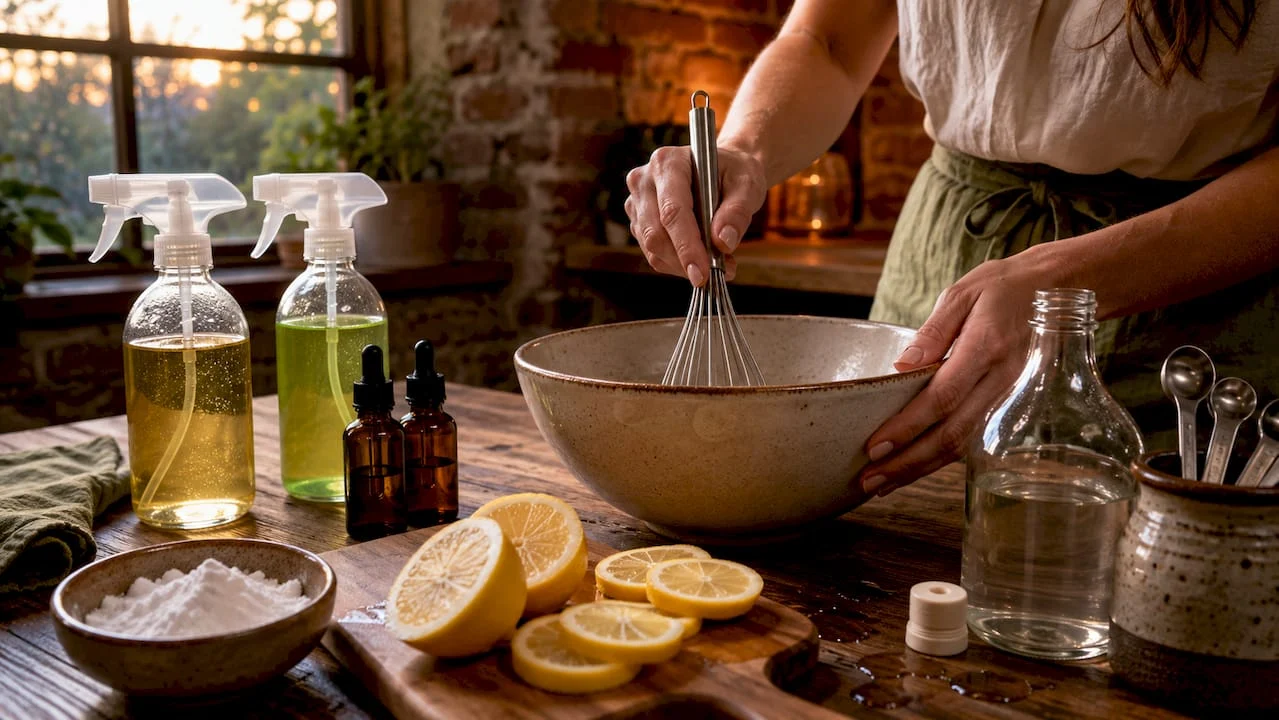
Category: Cleaning

  • Natural Cleaning Products That Actually Work (DIY Recipes Included)

    Natural Cleaning Products That Actually Work (DIY Recipes Included)

    Let’s be honest — a lot of “natural cleaning” advice online is useless. Vague tips like “use vinegar” without any actual ratios, or recipes that smell nice but don’t actually cut through grease. I’ve tested a fair number of these over the years, and this guide only includes natural cleaning products and DIY mixes that genuinely hold up against real household grime, not just Pinterest-worthy photos. If you’ve been putting off switching from harsh chemical cleaners because you assumed natural options wouldn’t work as well, I get it — I was skeptical too. Turns out some of them work better than the stuff sitting under your sink right now.

    Do Natural Cleaning Products Actually Work as Well as Chemical Ones?

    Natural cleaning products hold up well for most everyday cleaning — degreasing, disinfecting surfaces, removing hard water stains, and general grime. Where they genuinely fall short is heavy-duty disinfection (like after illness) and stubborn mold, where you may still need something stronger occasionally.

    I’ll be upfront about this, because a lot of blogs oversell natural cleaning as a universal replacement, and that’s just not honest. For daily kitchen counters, bathroom sinks, and general surfaces, natural options work just fine. For genuinely killing certain bacteria and viruses to hospital-grade standards, you need EPA-registered disinfectants — vinegar isn’t going to cut it there.

    That said, for probably 90% of what an average household actually cleans day to day, natural products do the job. And they cost noticeably less over time, plus they’re a lot gentler on skin if you’re the one doing the scrubbing.

    The Core Ingredients Behind Effective Natural Cleaning Products

    Most homemade natural cleaning products are built from a small handful of ingredients, used in different combinations depending on the job.

    • White vinegar — cuts through grease, dissolves mineral deposits, and works as a mild disinfectant. The smell fades within an hour or so once dry
    • Baking soda — mild abrasive, great for scrubbing without scratching, also neutralizes odors
    • Castile soap — a plant-based soap concentrate; a little goes a long way, and it works for nearly everything from dishes to floors
    • Lemon juice — natural degreaser and stain-lifter, particularly good on brass and copper
    • Salt — adds mild abrasive scrubbing power when combined with other ingredients
    • Essential oils (tea tree, eucalyptus, lemon) — some have mild antibacterial properties, but honestly their bigger role is just making things smell decent

    One thing worth knowing upfront: never mix vinegar with bleach, or baking soda with bleach. It sounds obvious, but people do it accidentally, and the fumes can be genuinely dangerous. Stick to natural-only combinations, and don’t cross-contaminate with chemical cleaners in the same session.

    DIY All-Purpose Cleaner Recipe

    Direct answer: A basic all-purpose natural cleaner needs just 1 cup white vinegar, 1 cup water, and 10-15 drops of essential oil in a spray bottle — effective on most kitchen and bathroom surfaces, though it should be avoided on natural stone.

    Ingredients

    • 1 cup white vinegar
    • 1 cup water
    • 10-15 drops essential oil (lemon or tea tree work well)
    • Spray bottle (reused ones work fine)

    Instructions

    1. Combine vinegar and water in the spray bottle
    2. Add essential oil drops
    3. Shake before each use — the oil separates over time
    4. Spray on counters, stovetops, or bathroom surfaces and wipe

    I keep one of these under my kitchen sink permanently now. It handles daily spills and counter wipe-downs without me thinking twice, and a batch costs maybe Rs. 15-20 to make versus Rs. 150+ for a branded spray.

    One caution: don’t use vinegar-based cleaners on granite, marble, or other natural stone countertops. The acidity etches the surface over time — I learned this the hard way on a friend’s kitchen counter, and it wasn’t pretty.

    DIY Bathroom and Grout Cleaner

    Bathroom grime is where most people give up on natural cleaning too early, assuming it just won’t work on tough buildup. It does — it just needs a slightly different approach than spray-and-wipe.

    Baking Soda Grout Paste

    • 3 parts baking soda
    • 1 part water
    • Mix into a thick paste, apply directly to grout lines with an old toothbrush
    • Let sit 10-15 minutes, then scrub and rinse

    Showerhead Descaler

    • Fill a plastic bag with white vinegar
    • Secure it around the showerhead with a rubber band, fully submerging the nozzle
    • Leave for 1 hour (longer for heavy buildup, common with hard water)
    • Remove, run hot water through for a minute

    Has your showerhead ever gone from a strong stream to a sad trickle over a few months? That’s mineral buildup, and this trick fixes it without buying a new fixture.

    [link to related deep cleaning checklist guide here]

    DIY Glass and Mirror Cleaner

    Store-bought glass cleaners are honestly one of the easiest things to replace, and the homemade version streaks less in my experience, not more.

    • 2 cups water
    • 1/4 cup white vinegar
    • 1/4 cup rubbing alcohol (optional, but helps with faster drying and less streaking)
    • A few drops of dish soap, if surfaces are particularly greasy

    Mix in a spray bottle, spray lightly, and wipe with newspaper or a microfiber cloth rather than paper towels — paper towels tend to leave lint behind, which oddly enough makes glass look dirtier, not cleaner.

    DIY Floor Cleaner for Different Surfaces

    Different flooring needs different treatment, and using the wrong natural mix can actually cause damage.

    For Tile and Vinyl

    • 1/2 cup vinegar
    • 1 gallon warm water
    • A few drops of castile soap
    • Mop as usual; no rinsing required

    For Wooden Floors

    • 1/4 cup vinegar (diluted more than tile, since wood is more sensitive)
    • 1 gallon warm water
    • Damp mop only — never soak wooden floors, which can cause warping over time

    For Natural Stone (marble, granite)

    Skip vinegar entirely here. Use warm water with a small amount of pH-neutral castile soap instead — acidic cleaners will dull and etch stone surfaces over repeated use.

    Natural Odor Removers and Air Fresheners

    Chemical air fresheners mostly mask smells rather than actually dealing with them, which always bothered me a bit.

    • Baking soda bowls placed in the fridge, shoe cabinets, or bathroom absorb odors genuinely well, not just cover them up
    • Simmer pot: a pot of water with lemon slices, cinnamon sticks, and cloves, simmered on low — fills the house with a natural scent for hours
    • Activated charcoal bags in closets or cars, particularly effective against musty smells
    • Essential oil diffuser with a few drops of your preferred scent, refreshed every few days

    Picture a small business owner in Jaipur running a home bakery — she switched from a chemical air freshener to a cinnamon-clove simmer pot during customer visits, and multiple people commented it made the whole house feel warmer, not just “cleaner.” Small change, noticeable difference.

    Frequently Asked Questions

    Are natural cleaning products safe around pets and children? Generally yes, more so than most chemical cleaners, though pure essential oils should still be kept out of reach and diluted properly — some, like tea tree oil, can be irritating in concentrated form, especially around cats.

    How long do DIY natural cleaning products last before they go bad? Vinegar-based sprays typically stay effective for 1-2 months if stored in a cool, dark spot. Anything with essential oils may lose potency a bit faster, so smaller batches made more often work better than one giant bottle.

    Can I use natural cleaning products on all surfaces? Not quite all — avoid vinegar-based cleaners on natural stone, cast iron, and some hardwood finishes, since the acidity can cause damage over repeated use. Always test a small hidden spot first if you’re unsure.

    Do natural cleaning products actually disinfect, or just clean? Vinegar and certain essential oils have some antibacterial properties, but they’re not registered disinfectants in the way bleach or alcohol-based products are. For everyday cleaning they’re fine; after illness in the house, you may want something stronger.

    Is it cheaper to make natural cleaning products at home? Substantially, yes. A homemade all-purpose spray costs a fraction of a branded bottle, and ingredients like vinegar and baking soda go a long way — one bottle of vinegar can make several batches of cleaner.

    What’s the biggest mistake people make with DIY natural cleaners? Mixing incompatible ingredients, particularly anything with bleach, which can create dangerous fumes. Stick to vinegar, baking soda, castile soap, and essential oils in their own separate combinations, and never introduce bleach into the mix.

    Conclusion

    Natural cleaning products aren’t some watered-down compromise — for most everyday cleaning, they genuinely hold their own against chemical alternatives, and they cost less while being a lot gentler to use regularly. Start with the all-purpose spray, since it covers the most ground, then build out from there as specific needs come up around your home.

    Try making just one of these recipes this week — the all-purpose spray takes two minutes — and see how it handles your actual daily mess before committing to switching everything over at once.
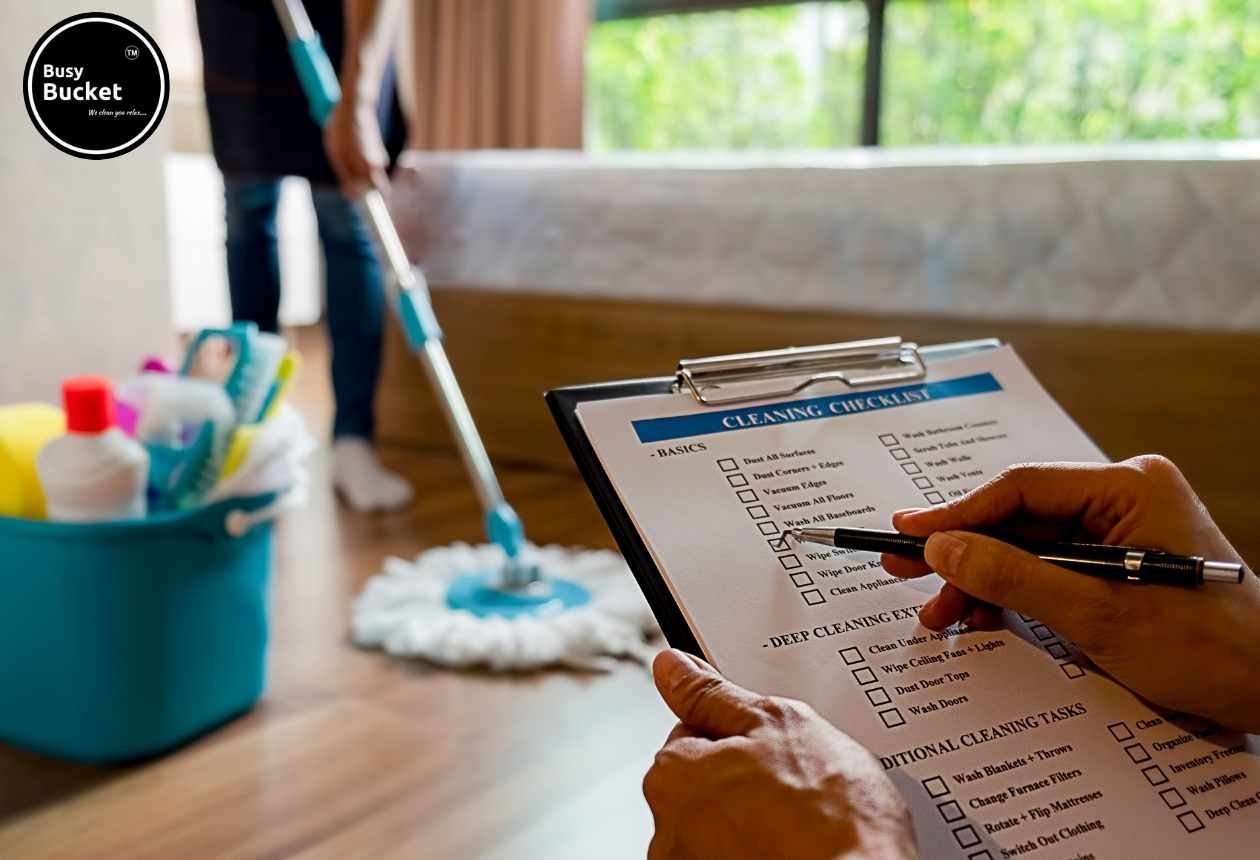
  • Deep Cleaning Checklist: Room-by-Room Guide for a Spotless Home

    Deep Cleaning Checklist: Room-by-Room Guide for a Spotless Home

    Somewhere around the third weekend you’ve told yourself “this is the weekend I finally deep clean,” you’ve probably realized the problem isn’t motivation — it’s that you don’t actually know where to start. A proper deep cleaning checklist solves exactly that. Not the quick Saturday tidy-up, but the real thing: baseboards, behind the fridge, the grout you’ve been avoiding since Diwali. I’ve broken this down room by room, because trying to deep clean an entire house in one go is how most people burn out by lunchtime and give up halfway through the kitchen. Grab a couple of hours, pick one room, and let’s actually get through this properly.

    What Counts as “Deep Cleaning” vs Regular Cleaning?

    Deep cleaning checklist tasks go beyond your weekly wipe-down — they target buildup that accumulates over months, not days. Regular cleaning keeps things tidy on the surface; deep cleaning addresses what’s hiding underneath, behind, and inside.

    Regular cleaning is sweeping, wiping counters, doing dishes. Deep cleaning is moving the sofa and finding out what’s actually under there. It’s cleaning inside the oven, not just around it. It’s scrubbing grout lines instead of just mopping over them.

    I’d argue most Indian households do a version of this naturally before Diwali — the whole “safai” tradition is basically deep cleaning by another name. But doing it just once a year isn’t really enough for a genuinely healthy home. Quarterly is more realistic, and honestly, even that’s a stretch for most busy households — so don’t feel bad if you’re doing this twice a year instead.

    Kitchen Deep Cleaning Checklist

    The kitchen accumulates grease and grime faster than any other room, mostly because of daily cooking — especially with Indian cooking involving a fair bit of oil and spice residue that regular wiping just doesn’t fully catch.

    • Clean inside the refrigerator, including under drawers and the door seal (mold loves that seal gasket)
    • Degrease the chimney/exhaust fan filter — soak in hot water with dish soap for 20-30 minutes
    • Wipe down cabinet exteriors and interiors, checking for pest activity in corners
    • Deep clean the oven or microwave interior
    • Scrub the sink, including around the tap base where grime builds up unnoticed
    • Clean behind and under appliances — yes, actually pull the fridge out
    • Wash all light fixtures and exhaust vents, which collect grease-laden dust over time

    Has your chimney filter ever looked almost black after just a few months? That’s completely normal in an Indian kitchen, and it’s exactly why this needs to be on a recurring schedule, not a one-time thing.

    Bathroom Deep Cleaning Checklist

    Direct answer: A thorough bathroom deep clean covers grout lines, exhaust fans, behind the toilet, showerheads, and often-missed spots like the top of the mirror frame and inside cabinet corners — areas regular wiping usually skips entirely.

    Bathrooms hide grime in places you don’t look at daily.

    1. Scrub grout lines with a stiff brush and a baking soda paste — this alone makes tiles look years newer
    2. Descale the showerhead by soaking in vinegar for an hour (hard water buildup is a real problem in a lot of Indian cities)
    3. Clean behind and around the toilet base thoroughly
    4. Wipe down the exhaust fan blades, which trap dust and moisture
    5. Disinfect door handles, light switches, and taps
    6. Clean the inside of cabinets and drawers, removing expired products while you’re at it

    I’ve noticed bathroom mirrors get a filmy buildup near the edges that regular glass cleaner doesn’t touch. A bit of vinegar-water on a microfiber cloth handles it far better than the standard spray.

    Bedroom Deep Cleaning Checklist

    Bedrooms look clean on the surface most of the time — the mess is usually underneath and inside things.

    • Flip and rotate the mattress, vacuuming both sides for dust mites
    • Wash pillows (not just pillowcases) — most people never do this, and it shows in allergy symptoms more than they realize
    • Clean under the bed properly, not just a quick sweep
    • Wipe down closet interiors and check for moisture or must smell
    • Dust ceiling fans and light fixtures, top and bottom
    • Wash curtains or blinds — a task people put off for way too long

    [link to related guide on organizing a small bedroom here]

    Living Room Deep Cleaning Checklist

    This is where guests actually see, so it’s tempting to just do a surface tidy. Resist that.

    • Vacuum upholstery thoroughly, including under couch cushions (you’d be surprised what turns up)
    • Clean behind and under all furniture, including the TV unit
    • Dust and wipe down all electronics, including remote controls, which are honestly one of the germiest items in most homes
    • Wash or vacuum curtains, and dust blind slats individually
    • Clean windows inside and out, including tracks and sills
    • Deep clean any rugs or carpets — either professionally or with a rented steam cleaner

    Picture a small business owner in Jaipur who runs her home office out of the living room. She told me once that her allergies noticeably improved after she started deep cleaning the space quarterly instead of just tidying weekly — mostly from tackling the dust trapped in curtains and under the sofa that regular cleaning never touched.

    Deep Cleaning Checklist for Often-Forgotten Areas

    Direct answer: The most commonly skipped deep cleaning spots are light switches, door handles, ceiling fans, baseboards, and the tops of cabinets — areas that don’t get touched during routine cleaning but collect dust and grime steadily over months.

    These are the spots that separate an actually clean home from one that just looks clean:

    • Baseboards and skirting boards — wipe with a damp cloth; dust here is often invisible until you actually look closely
    • Tops of cabinets, wardrobes, and door frames
    • Light switches and door handles — these carry more germs than most surfaces people actively clean
    • Inside cabinet corners and drawer bottoms
    • AC vents and filters (also ties into your regular [link to related HVAC maintenance schedule guide here])
    • Underneath area rugs, which trap a shocking amount of dust

    None of these take long individually. But skip all of them for a year, and it adds up to a surprising amount of grime nobody notices until they finally look.

    Deep Cleaning Products and Tools Worth Having

    You don’t need a cabinet full of specialty products. A handful of basics covers most of this checklist.

    • Microfiber cloths (a set of 10-12 costs under Rs. 300 and outperforms regular rags by a wide margin)
    • Baking soda and vinegar — genuinely useful for grout, showerheads, and general degreasing without harsh chemicals
    • A good all-purpose degreaser for kitchen surfaces
    • A stiff grout brush — cheap, and makes a real difference on tile lines
    • A handheld vacuum with a crevice attachment for furniture gaps and corners

    I’ll admit I used to buy separate cleaners for every surface, convinced each one needed something specific. Turns out a decent all-purpose cleaner plus vinegar handles 80% of what a full deep cleaning checklist requires. Save the specialty products for the genuinely stubborn stuff.

    How Often Should You Follow a Deep Cleaning Checklist?

    Quarterly is the sweet spot for most homes — roughly once every three months. High-traffic households with kids or pets might benefit from doing it every two months instead, particularly in the kitchen and living areas.

    • Every 3 months: Full room-by-room deep clean as outlined above
    • Every 6 months: Curtains, mattress rotation, and deep carpet cleaning if you’re not doing them quarterly
    • Once a year, minimum: Anything you’ve been putting off entirely — that one cabinet, the top of the wardrobe, whatever it is

    If quarterly feels unrealistic given your schedule, breaking the checklist into one room per weekend spreads the same work out without it ever feeling overwhelming.

    Frequently Asked Questions

    How long does a full house deep clean actually take? For an average 2-3 BHK home, expect anywhere from 6-10 hours if you’re doing it all in one go, spread across a weekend. Breaking it into one room per day is far more manageable for most people.

    What’s the difference between spring cleaning and a deep cleaning checklist? They’re largely the same idea — spring cleaning is just deep cleaning done once a year, typically tied to a season. A proper deep cleaning checklist can be followed more frequently, like quarterly, rather than just annually.

    Should I hire professionals for deep cleaning or do it myself? DIY works fine for most homes if you follow a structured checklist and set aside proper time. Professional deep cleaning services (usually Rs. 3,000-8,000 depending on home size) make more sense if you’re short on time or dealing with heavy buildup after a long gap.

    What areas do people forget most often when deep cleaning? Baseboards, the tops of cabinets, behind large furniture, and exhaust fans top the list. These don’t get touched during routine cleaning, so they build up steadily without anyone noticing.

    Is deep cleaning necessary if I clean regularly anyway? Yes — regular cleaning handles visible surfaces, but it rarely reaches behind appliances, inside vents, or under furniture. Even a tidy-looking home usually has significant buildup in these hidden spots.

    Can I deep clean a whole house in one weekend? It’s possible but exhausting, and quality tends to drop by the third or fourth room. Splitting it across two weekends, or doing one room a week, usually produces better results without the burnout.

    Conclusion

    A proper deep cleaning checklist isn’t about doing everything at once — it’s about actually covering the spots regular cleaning misses, room by room, on some kind of realistic schedule. Kitchen grease, bathroom grout, bedroom dust, forgotten baseboards — none of it’s glamorous, but tackling it systematically makes a genuinely noticeable difference in how a home feels, not just how it looks.

    Pick one room this weekend — just one — and work through its checklist properly. You’ll likely find the momentum to keep going once you see the difference a proper deep clean actually makes.