Someone once walked into my living room, looked around, and asked which interior designer I’d hired. I nearly laughed out loud. Most of that room came from local markets, a couple of clever swaps, and honestly, less money than a single fancy dinner out. That’s the whole promise behind good budget home decor ideas — you don’t need a big budget to make a room feel considered and put-together, you just need to know which few things actually move the needle.
Here’s the thing nobody tells you at the start: expensive-looking homes usually aren’t full of expensive things. They’re full of a handful of well-chosen pieces, some smart lighting, and rooms that don’t feel cluttered. That’s genuinely achievable on almost any budget, in 2026 or any year.
This isn’t a list of vague inspiration. It’s specific, practical stuff you can actually go do this weekend without draining your savings.
Why Some Homes Look Expensive Without Actually Being Expensive
A home looks expensive largely due to intentional curation — fewer, well-placed items, a cohesive color palette, and good lighting — rather than the actual cost of individual pieces. Clutter and mismatched styles read as cheap far more than budget furniture does.
I think this is the single most misunderstood idea in home decor. People assume “expensive-looking” means expensive furniture, marble everything, designer labels. It doesn’t. It means restraint, mostly.
A few things genuinely expensive-feeling homes tend to share:
- A limited, cohesive color palette rather than a mismatched collection of whatever was on sale
- Empty space that’s actually left empty, instead of filled with clutter just because there’s room
- Good lighting that flatters the space rather than one harsh overhead bulb
- A few statement pieces instead of many small, forgettable ones
Once you internalize this, budget decorating stops feeling like a compromise. It’s actually a discipline that even people with big budgets often get wrong.
Declutter First — It’s Free and It Works Instantly
Before you buy a single new thing, clear out what’s not earning its place. This sounds too simple to matter, but I promise it’s the highest-impact, zero-cost step on this entire list.
Removing excess clutter is the single most effective and completely free way to make any home feel more put-together and expensive, since visual chaos reads as cheap regardless of how much any individual item cost.
Walk through each room and honestly ask: does this item add something, or is it just sitting there out of habit? Old newspapers, random cables, decor pieces you don’t even notice anymore — all of it adds visual noise.
A few areas people consistently overlook:
- Kitchen counters — clear surfaces instantly look more polished than cluttered ones
- Coffee tables piled with remotes, mail, and random odds and ends
- Bookshelves crammed with things that aren’t actually books or intentional decor
- Entryway areas that collect shoes, bags, and keys in a visible pile
Has this ever happened to you — cleaning up before guests arrive, and being surprised how much better the room suddenly looks, even though you didn’t buy or change anything? That’s decluttering doing all the work. It’s genuinely the cheapest decor upgrade available to anyone.
Invest in Good Lighting, Not Just Overhead Bulbs
Lighting quietly does more for a room’s perceived quality than almost any other single factor, and it’s a place where a small budget genuinely goes a long way.
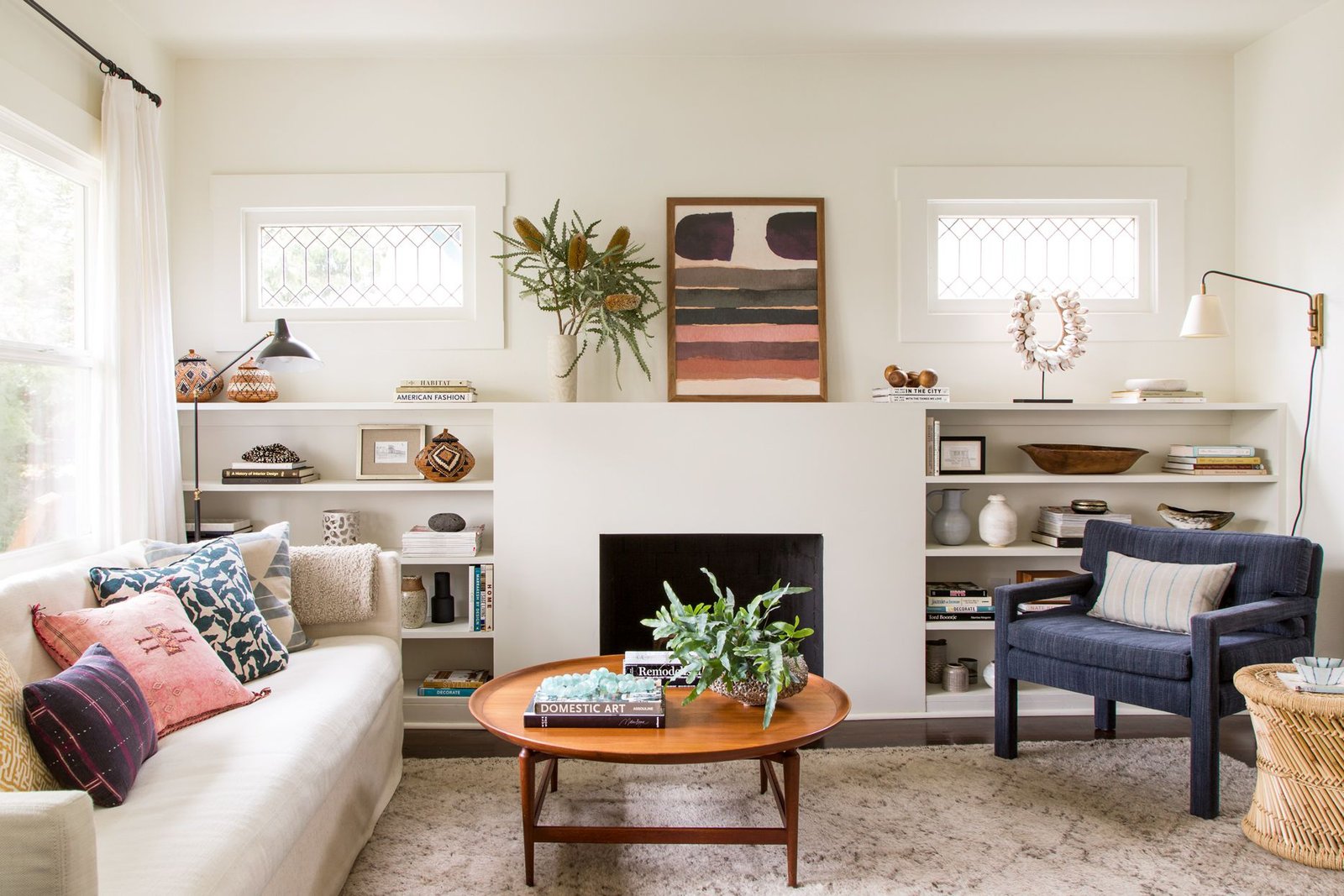
A single harsh ceiling light makes even beautifully furnished rooms feel flat and a bit cheap. Layered lighting — a floor lamp here, a small table lamp there — adds warmth and depth that instantly reads as more considered.
Budget-friendly lighting moves worth making:
- Swap harsh white bulbs for warm-toned LEDs; this alone changes a room’s whole mood, and it costs almost nothing
- Add one floor lamp in a dim corner — decent options run ₹1,500-₹3,000 and make a visible difference
- Use fairy lights or string lights along a shelf or headboard for a soft accent glow, especially popular for bedrooms
- Position a lamp near your reading chair or sofa corner rather than relying only on the main light
I’ve noticed people underestimate this category the most, probably because lighting feels functional rather than decorative. But walk into any well-designed hotel lobby and you’ll notice — it’s rarely one bright overhead light doing all the work.
Use Mirrors and Reflective Surfaces Strategically
Mirrors do double duty — they make rooms feel bigger and add a subtle sense of polish, often for less than you’d spend on a mid-range piece of wall art.
A large, well-framed mirror placed thoughtfully — opposite a window, or as a statement piece above a console table — adds visual interest without the cost of actual artwork. Local markets and online furniture sites in India often have affordable, good-looking mirror options starting around ₹1,200-₹2,500 for a decent size.
[link to related guide on small living room decorating ideas here]
Beyond mirrors, small reflective touches — a brass or gold-toned vase, metallic photo frames, a glass-top side table — add a subtle shine that reads as more expensive than the actual price tag, especially when used sparingly rather than everywhere at once.
Rearrange What You Already Own
This might be the most underrated tip on this entire list, and it costs literally nothing.
Sometimes the furniture you already have just needs a different arrangement to feel fresh. Try angling your sofa slightly instead of pushing it flat against a wall. Swap which room certain furniture pieces live in — that side table gathering dust in the bedroom might be exactly what your living room corner needs.
A few rearranging ideas worth trying:
- Group items in odd numbers (threes work particularly well) on shelves and tables — it reads as more intentional than pairs
- Move larger furniture away from doorways to open up sightlines
- Rotate decorative items between rooms every few months to keep spaces feeling fresh without buying anything new
- Try a completely different furniture layout before assuming you need new pieces
I did this myself last year — just moved my bookshelf to a different wall and swapped two chairs between rooms. Total cost: zero. The living room genuinely felt like a different space afterward.
Add Texture Through Textiles
Cushions, throws, and rugs are some of the cheapest ways to add visible richness to a room, and they’re easy to swap out seasonally without much cost.
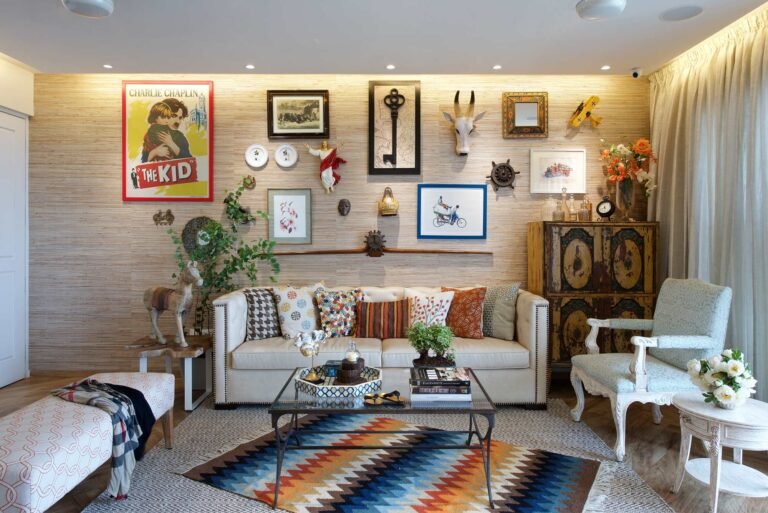
Layering different textures — a woven throw, patterned cushions, a textured rug — adds visual depth and warmth to a room at a fraction of what furniture upgrades would cost, and it’s one of the fastest budget home decor ideas to implement in a single afternoon.
A few specific ideas:
- Mix textures rather than matching everything perfectly — a smooth velvet cushion next to a woven jute one looks more curated than a matched set
- A patterned dhurrie or handloom rug, widely available across Indian markets, adds warmth and color for relatively little cost, often ₹1,500-₹4,000 for a decent size
- Swap thin, flat cushion covers for ones with visible texture or trim detail — it’s a small change that photographs and feels noticeably richer
Picture a small business owner in Jaipur who redid her home office corner using nothing but a new dhurrie rug, two textured cushions, and a repositioned lamp. Total spend was under ₹4,000, and it completely changed how the corner felt to work in.
Bring in Greenery — Cheap, Effective, and Forgiving
Plants add life and color to a space in a way almost nothing else does at this price point. A few well-placed plants genuinely elevate how put-together a room feels.
You don’t need rare, expensive plants either. Local nurseries in most Indian cities sell healthy, easy-care plants for ₹100-₹400, and a decent-looking pot to match can run anywhere from ₹150 to ₹600 depending on style.
- Pick one or two low-maintenance varieties if you’re not confident with plant care — money plants, snake plants, and pothos are nearly impossible to kill
- Vary pot heights and styles slightly rather than matching everything exactly
- A single larger plant in a good pot often has more visual impact than several tiny scattered ones
I do think there’s such a thing as overdoing this one, though — a room stuffed with plants everywhere can start feeling cluttered rather than curated. One or two thoughtfully placed plants beats ten scattered ones, in my honest opinion.
Frame and Display What You Already Have
Art doesn’t need to be expensive to look intentional. Old photographs, travel postcards, even fabric swatches from a favorite saree can become wall art with the right frame.
[link to related article on interior painting cost and finishes here]
A few low-cost display ideas:
- Create a small gallery wall using affordable frames from local markets — consistency in frame color matters more than matching every frame exactly
- Frame a piece of interesting fabric or a scarf instead of buying artwork
- Display a small collection of items you already own — vintage postcards, pressed flowers, small souvenirs — grouped together rather than scattered
- Use washi tape or removable adhesive strips for a no-damage gallery wall in rented apartments, which matters a lot for renters who can’t drill into walls
The trick is presentation, not the item itself. A ₹50 postcard in a nice frame looks far more intentional than an expensive print with no frame at all, taped crookedly to a wall.
Frequently Asked Questions
What is the cheapest way to make my home look more expensive? Decluttering, without question. It costs nothing, takes an afternoon, and instantly changes how put-together a space feels — often more than any purchase would.
Do budget home decor ideas actually work, or do rooms still look cheap? They genuinely work, as long as you focus on curation over quantity. A few well-chosen, well-placed items always look more expensive than a room crammed with many mismatched cheap ones.
Where can I find affordable home decor items in India? Local markets, especially in cities like Jaipur, Delhi’s Sarojini Nagar, or Bangalore’s Commercial Street, along with online marketplaces, offer a huge range of budget-friendly decor, often at a fraction of branded home store prices.
How much should I budget for a basic room refresh? A meaningful refresh — lighting, a rug, some cushions, a mirror — can realistically be done for ₹8,000-₹15,000 depending on room size, without touching furniture or paint.
Does rearranging furniture really make a difference, or is that just a myth? It genuinely makes a difference. A new layout changes sightlines and how light moves through the room, which affects how spacious and considered the space feels, even with zero new purchases.
What’s the biggest mistake people make with budget decorating? Buying too many small items instead of a few good ones. Scattered cheap decor pieces read as cluttered rather than curated, which works against the exact effect most people are trying to achieve.
Conclusion
Making a home look expensive really comes down to a handful of smart, low-cost moves — decluttering, better lighting, thoughtful textiles, and a few well-placed pieces instead of many scattered ones. None of the budget home decor ideas covered here need a big spend, just a little intention behind each choice.
Pick one room this weekend and try just three of these ideas — declutter the surfaces, add a lamp, swap in a textured cushion or two. You’ll likely notice the difference before you’ve spent even ₹2,000, and that’s really the whole point.