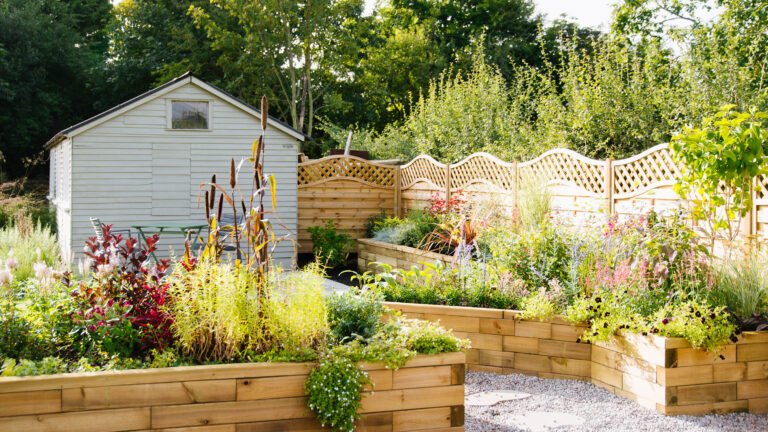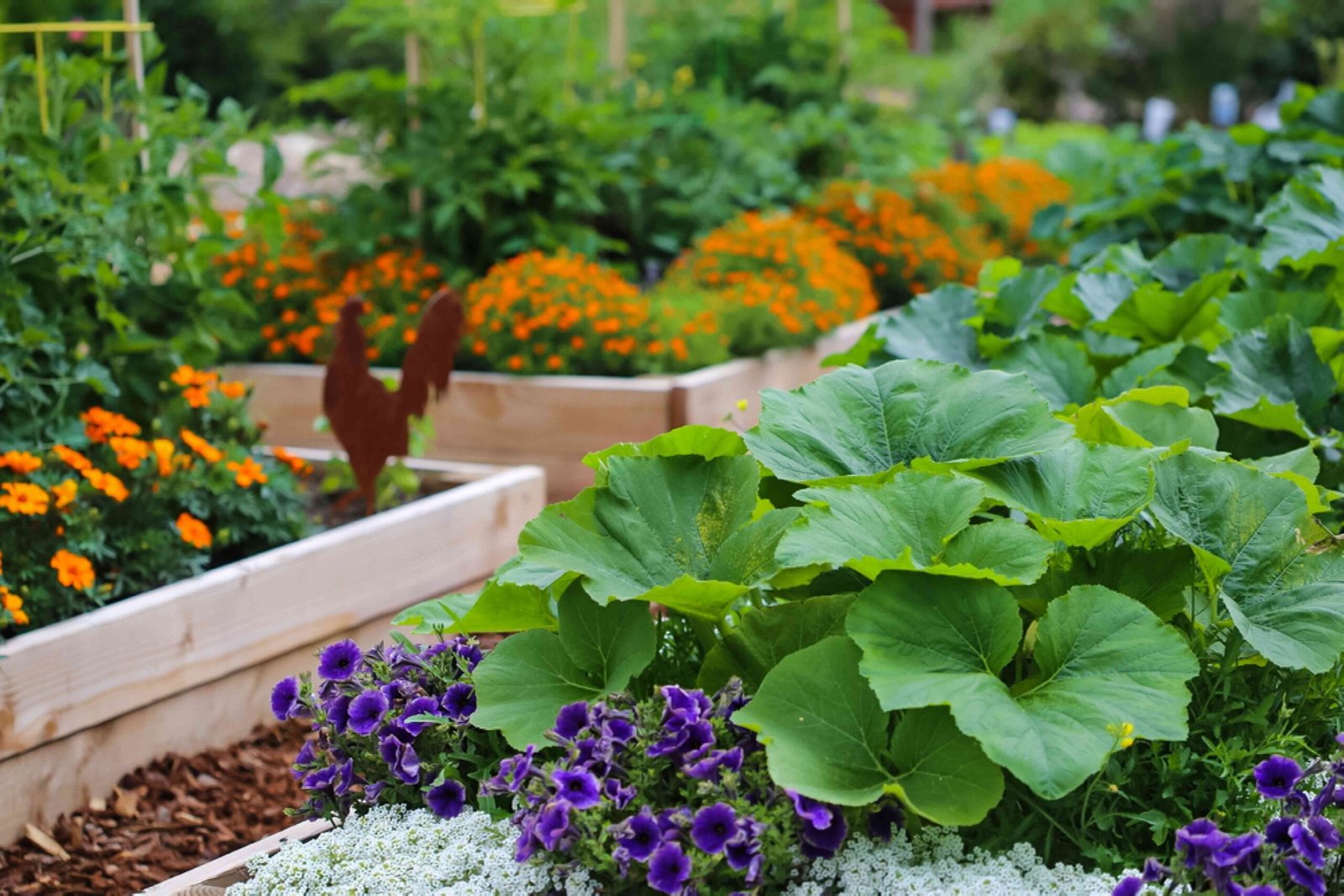
You don’t need a farm, or even a proper backyard, to grow your own vegetables. A small space vegetable garden can live on a third-floor balcony, a narrow windowsill, or a concrete terrace in the middle of a city — and honestly, some of the best harvests I’ve seen came from spaces smaller than a parking spot.
If you’ve been putting off growing your own tomatoes or coriander because you think you need a big plot of land, that’s the myth we need to bust first. Space isn’t really the limiting factor. Planning is.
I started with four pots on a Delhi balcony that got maybe five hours of direct sun a day. Within two months, I had more chillies and coriander than I knew what to do with. Not everything worked — my first attempt at growing carrots in shallow containers was a disaster — but the failures taught me more than the wins did.
Pick the Right Spot Before Buying Anything
Direct answer: Before starting a small space vegetable garden, observe your available area for at least a day to track sunlight hours. Most vegetables need 5-6 hours of direct sun daily, so choose the sunniest corner of your balcony, terrace, or windowsill first.
This step gets skipped constantly, and it’s the reason so many beginner gardens fail in the first month. People buy pots and seeds first, then figure out placement later. Backwards approach.
Spend a day just watching your space. Where does the sun actually hit, and for how long? South or west-facing balconies in most Indian cities get decent light. North-facing ones are trickier — you’ll want to lean toward leafy greens that tolerate some shade rather than fruiting vegetables like tomatoes.
A few things worth checking:
- How many hours of direct, unobstructed sunlight does the spot get
- Whether wind is an issue (high-rise balconies can get surprisingly gusty)
- Access to a water source nearby — carrying water buckets gets old fast
Terraces generally offer more flexibility since you’ve got floor space to work with, not just railings. If you’re working with a windowsill only, herbs and microgreens are realistically your best bet — they don’t need much room to produce something usable.
Choose Containers That Actually Work
Not every pot is created equal, and this trips up a lot of first-timers. Depth matters more than most people realize.
Shallow, wide pots look nice but starve root vegetables like carrots and radishes of the depth they need. Go for at least 8-10 inches of depth for most vegetables, and 12+ inches for anything with a deeper root system, like brinjal or okra.
Good container options for a small space vegetable garden:
- Grow bags — cheap, widely available, and surprisingly effective (₹40-100 each depending on size)
- Plastic buckets with drainage holes drilled in — free if you’re repurposing old ones
- Terracotta pots — great drainage but dry out fast in Indian summers, so plan to water more often
- Vertical planters or hanging pots — genuinely useful if floor space is your bottleneck
Drainage holes are non-negotiable. Waterlogged roots rot, full stop. If your pot doesn’t have them, drill some or don’t use it.
Vertical Gardening Makes a Real Difference
Direct answer: Vertical gardening uses wall space, railings, and stacked planters instead of floor area, letting a small space vegetable garden grow 2-3 times more produce in the same footprint by training climbing vegetables upward.
Climbers like beans, peas, cucumbers, and even small gourd varieties can be trained up a trellis, netting, or simple bamboo poles tied together. Instead of sprawling across your floor, they grow up instead — and honestly, they look great doing it.
A cheap trellis costs next to nothing to set up. Some jute rope and a couple of bamboo sticks will do the job. Attach it to a railing or wall, and let the plant do the climbing.
I’ll admit vertical setups take a bit more monitoring at first — you’re gently guiding vines in the right direction for the first couple of weeks. After that, they mostly take care of themselves.
Start With Vegetables That Forgive Mistakes
Nobody nails it on their first try. Pick forgiving vegetables and you’ll stay motivated instead of giving up after week two.
Easiest options for beginners:
- Coriander and mint — genuinely hard to kill, and you’ll use them constantly in Indian cooking
- Green chillies — one plant can keep producing for months
- Spinach and fenugreek (methi) — quick to harvest, usually ready in 25-30 days
- Cherry tomatoes — more forgiving than full-size tomatoes and great in containers
Skip these until you’ve got more confidence: cauliflower, full-size cabbage, and root vegetables like potatoes. They need more space and more precise conditions than a balcony setup usually provides.
Picture a working parent in Pune with maybe twenty minutes a day to spare. Coriander, mint, and a chilli plant are realistic. A full cauliflower patch is not. Match your vegetable choices to your actual bandwidth, not your ambition.
Soil and Compost Matter More Than People Think
Direct answer: Container vegetables need a lighter, richer soil mix than garden beds — typically a combination of garden soil, compost, and coco peat in roughly equal parts — because containers can’t replenish nutrients naturally the way open ground does.
Regular garden soil packed into a pot tends to compact and drain poorly. Not ideal. A mix of one part garden soil, one part compost, and one part coco peat gives roots room to breathe and holds moisture without waterlogging.
Homemade compost works beautifully here, and it’s basically free once you get into the habit. Kitchen scraps — vegetable peels, eggshells, tea leaves — break down into genuinely good compost within 6-8 weeks if you’re turning it occasionally.
Don’t have space for a compost bin? A simple bokashi bucket or a small terracotta composter works fine on even a tiny balcony. [link to related guide on composting in small spaces here]
Refresh the top layer of soil every season, and mix in fresh compost every couple of months. Container soil depletes faster than you’d expect since there’s no surrounding earth to replenish it naturally.
Watering Without Overdoing It
This is where most beginners go wrong — not underwatering, but overwatering. Container plants are more sensitive to it since there’s nowhere for excess water to go except through the drainage hole.
Stick your finger an inch into the soil before watering. Dry? Water it. Still damp? Leave it another day. Simple test, but it works better than any fixed schedule.
In peak Indian summer, most container vegetables need watering once a day, sometimes twice if it’s brutally hot. In cooler months, every 2-3 days is usually plenty. A small space vegetable garden in containers dries out faster than an in-ground bed, so don’t assume the same schedule applies.
Self-watering pots or a basic drip line (covered in more detail in [link to related guide on drip irrigation here]) take a lot of the guesswork out if you travel often or just forget sometimes. No shame in that — I forget too, more often than I’d like to admit.
Deal With Pests the Simple Way
Balcony and terrace gardens generally face fewer pest issues than ground-level gardens, but it’s not zero. Aphids and mealybugs show up occasionally, especially on chilli and tomato plants.
Neem oil spray, diluted with water, handles most common pests without needing anything harsh. Mix about 5ml neem oil per litre of water, spray every 7-10 days if you spot an issue, and that usually clears it up within two to three weeks.
A few low-effort prevention habits:
- Wipe leaves down occasionally to knock off dust and early pest colonies
- Don’t overcrowd pots — poor air circulation invites problems
- Remove yellowing or dead leaves promptly instead of letting them sit
Companion planting helps too. Marigolds planted near vegetable pots genuinely do repel certain pests, and they add a nice splash of color while they’re at it.
Harvest Smart to Keep Plants Producing
Here’s something a lot of guides skip: how and when you harvest actually affects how much your plant keeps producing.
For leafy greens like spinach and coriander, harvest outer leaves first and let the center keep growing — this stretches a single plant’s yield over weeks instead of one big cut. For chillies and tomatoes, regular picking (rather than letting fruit sit and over-ripen) actually signals the plant to keep producing more.
Has your basil ever gone leggy and stopped producing new leaves? That’s usually from not pinching it back regularly. A little trimming keeps most herbs bushier and more productive long-term.
Frequently Asked Questions
How much sunlight does a small space vegetable garden need? Most fruiting vegetables like tomatoes and chillies need 5-6 hours of direct sun daily. Leafy greens and herbs can get by with a bit less, around 3-4 hours, which makes them a good fit for partially shaded balconies.
What vegetables grow best in small containers? Coriander, mint, spinach, fenugreek, green chillies, and cherry tomatoes are the easiest for beginners. They don’t need deep root space and tend to forgive minor watering mistakes.
Can I grow vegetables on a north-facing balcony? It’s tougher, but not impossible. Lean toward leafy greens and herbs rather than fruiting vegetables, since they tolerate lower light levels better.
How often should I water container vegetables? Check the soil with your finger before watering rather than following a fixed schedule. Generally, once daily in summer and every 2-3 days in cooler months works for most containers.
Is composting necessary for a balcony vegetable garden? Not strictly necessary, but it makes a real difference. Container soil loses nutrients faster than ground soil, so adding compost every couple of months keeps plants healthier and more productive.
How long does it take to see results from a small space vegetable garden? Quick-growing options like spinach and coriander are usually ready to harvest in 25-30 days. Chillies and tomatoes take longer, typically 60-90 days before your first real harvest.
Conclusion
Starting a small space vegetable garden really comes down to a handful of decisions done right — good sunlight, decent containers, sensible soil, and vegetables that match your actual time and effort. You don’t need acres of land, just a corner that gets enough light and a bit of patience while things get going.
Start small. Pick two or three forgiving vegetables, get your containers sorted, and build from there once you see what actually works in your space. That first homegrown coriander sprig on your plate tastes better than you’d expect — go find out for yourself.