Between work calls, school runs, and the general chaos of daily life, who has three hours every Sunday to fuss over a garden? Not most of us. If you’ve ever stood at your back door looking at overgrown beds and just sighed, this one’s for you. The good news is that low maintenance garden ideas aren’t some rare secret — they’re mostly about picking the right plants and setting things up smart from day one, so the garden works for you instead of the other way around.
I’ve killed my fair share of plants trying to keep up a garden that honestly needed a full-time gardener. What finally worked was scaling back, choosing tougher plants, and letting go of the idea that every inch of soil needs to be “doing something.” Here’s what I’ve learned, plus a few ideas that genuinely hold up even when life gets busy.
Why Low Maintenance Doesn’t Mean Boring
Low maintenance garden ideas get a bad reputation — people assume it means gravel and a couple of sad cacti. That’s just not true anymore. A well-planned low-effort garden can be lush, colorful, and full of texture. The trick is in the planning stage, not in giving up on beauty.
Think of it this way: a high-maintenance garden is like owning a sports car — gorgeous, but it demands constant attention or it stops running well. A low-maintenance one is more like a good SUV. Reliable, still looks great, doesn’t need you hovering over it every weekend.
I redesigned a friend’s front yard in Jaipur two summers ago — she travels for work almost every month and kept coming home to dead plants. We swapped her thirsty annuals for native succulents, a couple of frangipani trees, and a gravel path. Eighteen months later, it still looks good, and she waters it maybe once every ten days in peak summer.
A few things that instantly cut down on garden work:
- Grouping plants by water needs (so you’re not overwatering some and underwatering others)
- Mulching beds to slow down weed growth
- Choosing perennials over annuals — you plant once, not every season
None of this is complicated. It just needs a little upfront thought.
Choose Native and Drought-Tolerant Plants
Direct answer: Native and drought-tolerant plants need less water, less fertilizer, and less babying because they’re already adapted to your local climate and soil. For most Indian regions, that means options like bougainvillea, aloe vera, lantana, and hibiscus.
This is honestly the single biggest lever you can pull. Non-native plants are basically high-maintenance by default — they weren’t built for your soil, your rainfall pattern, or your summer heat, so they need constant help to survive.
In hot, dry states like Rajasthan or Gujarat, go for:
- Bougainvillea (blooms for months, barely needs watering once established)
- Aloe vera and other succulents
- Vinca (periwinkle) — flowers almost year-round with minimal fuss
- Neem or gulmohar trees for shade, if you have the space
In cooler or wetter regions, marigold, hibiscus, and money plant do a lot of the heavy lifting without asking much in return. I’ll be honest — I used to plant whatever looked pretty at the nursery, without checking if it even belonged in this climate. Massive mistake. Half of them didn’t survive one full summer.
Install a Simple Drip Irrigation System
Direct answer: A basic drip irrigation setup delivers water directly to plant roots on a timer, cutting watering time to almost zero while actually using less water than a hose or watering can. Setup costs for a small home garden typically run between ₹3,000 and ₹8,000.
I resisted this for years, thinking it was overkill for a small home garden. Wrong call. Once I got a basic drip system installed, my morning “water the plants” chore just… disappeared. It runs on a timer before sunrise, and I don’t even think about it anymore.
You don’t need anything fancy. A simple kit from a local nursery or online (Amazon India has decent options) includes tubing, drippers, and a timer. Most homeowners can set it up in an afternoon — no plumber required.
Benefits worth mentioning:
- Reduces water wastage by up to 30-50% compared to manual watering
- Prevents overwatering, which is one of the top reasons plants die
- Works even when you’re traveling, so nothing shrivels up while you’re away
If you’re renting or unsure about a permanent setup, there are battery-operated timer taps that clip onto any outdoor faucet. Less efficient, but still a huge time-saver.
Go Heavy on Mulch
Mulch is one of those things gardeners talk about constantly, and for good reason — it genuinely does most of the boring work for you. A 2-3 inch layer of organic mulch (dried leaves, straw, wood chips, or coco peat) around your plants blocks sunlight from reaching weed seeds, so fewer weeds sprout in the first place.
It also locks moisture into the soil, meaning you water less often. And as it breaks down, it feeds the soil naturally — free fertilizer, basically.
Some easy mulch options available in most Indian cities:
- Coco peat (cheap, widely available, great water retention)
- Dried grass clippings or leaves — free if you have a lawn already
- Wood chips or bark, better for a more polished look near pathways
Reapply every few months as it breaks down. That’s really the only “maintenance” involved.
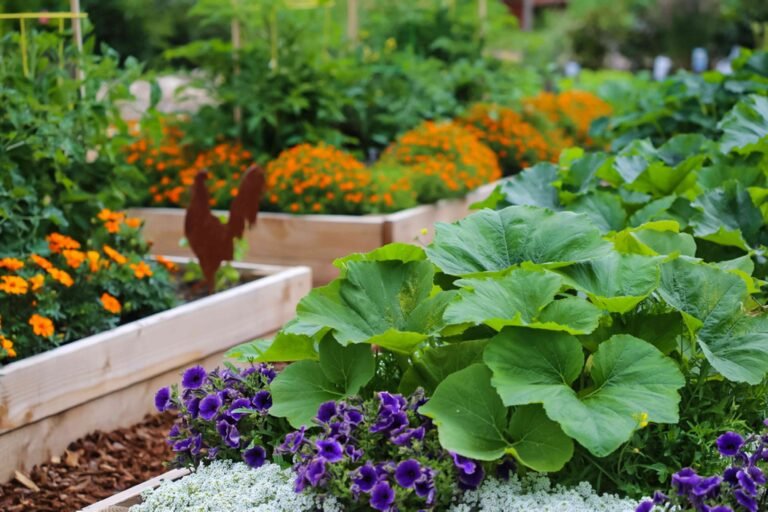
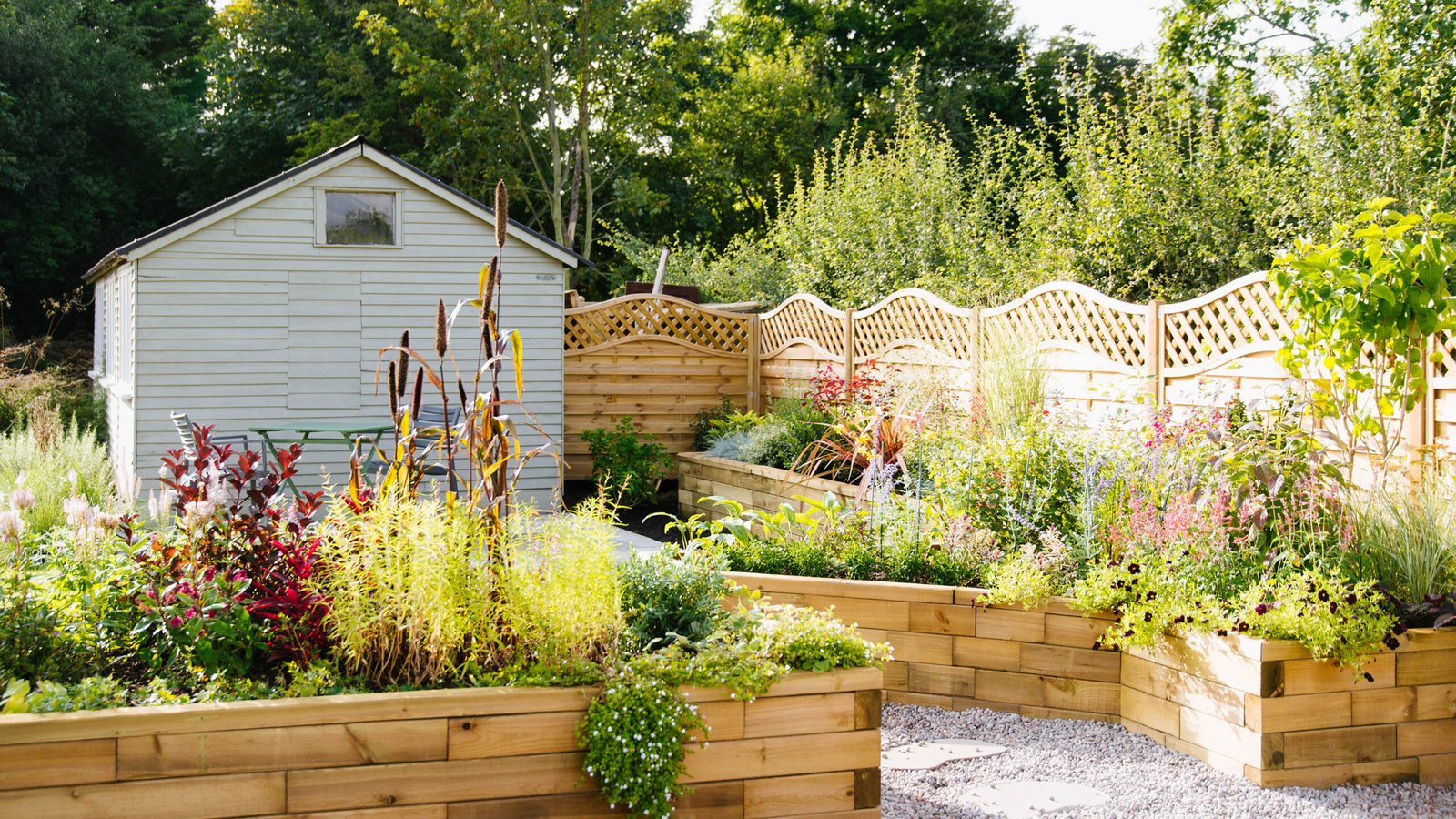
Build Raised Beds or Container Gardens
Direct answer: Raised beds and containers give you full control over soil quality, drainage, and weed exposure, which means significantly less digging, weeding, and pest management than a traditional in-ground garden bed.
If your existing soil is poor — clay-heavy, rocky, or just exhausted — fighting it every season is exhausting. Raised beds sidestep that problem completely. You fill them with good soil once, and you’re set for years.
Containers work even better for apartment balconies or small courtyards, which describes a huge number of homes in cities like Mumbai, Bengaluru, and Delhi. Pick self-watering pots if you can — they hold a small water reservoir at the base so plants don’t dry out as fast.
A few practical tips:
- Use a mix of potting soil, compost, and coco peat for good drainage
- Group containers by sun exposure — don’t scatter shade lovers into full sun
- Terracotta pots look lovely but dry out faster than plastic or ceramic ones
Honestly, I prefer containers over in-ground beds now. Easier to rearrange, easier to fix if something’s not working, and no back-breaking digging involved.
Skip the Lawn, or Shrink It
Lawns are gorgeous. They’re also relentless — mowing, edging, fertilizing, dealing with patchy brown spots. If a lush green lawn isn’t something you genuinely enjoy maintaining, it might be time to rethink it.
Ground covers like dichondra or creeping thyme need far less mowing (sometimes none at all) and still give you that green, soft look underfoot. Gravel or paved patios with pockets of planting are another solid option — especially popular in newer Indian homes with smaller plots.
You don’t have to go all-or-nothing either. Shrinking your lawn by even 40-50% and replacing the rest with mulch beds, gravel paths, or ground cover cuts your weekly maintenance time dramatically. Has your lawn ever felt like a second job? For a lot of people, it genuinely is one.
Pick Perennials Over Annuals
Direct answer: Perennial plants live for multiple years and regrow each season on their own, while annuals need to be replanted every year — making perennials a far lower-effort choice for anyone who wants color without repeat planting work.
Annuals like petunias and pansies are beautiful, no argument there. But you’re essentially starting from scratch every single season. That’s a lot of digging, buying, and planting for flowers that last a few months.
Perennials worth considering for Indian gardens:
- Hibiscus (blooms for years, tolerant of heat)
- Plumbago — soft blue flowers, very low fuss
- Curry leaf plant — useful and practically indestructible
- Money plant — near impossible to kill, even indoors
Mixing in a handful of perennial shrubs as your garden’s backbone, then adding a few annuals just for seasonal pops of color, gives you the best of both without the constant replanting cycle. [link to related guide about seasonal Indian garden plants here]
Automate What You Can
Direct answer: Smart timers for irrigation, solar-powered garden lights, and app-controlled watering systems handle routine garden tasks automatically, freeing busy homeowners from daily manual upkeep.
We’ve already talked about drip irrigation, but automation goes further than that these days. Solar lights need zero wiring and just work once installed. Some newer irrigation controllers even connect to your phone and adjust watering based on weather forecasts — skipping a cycle automatically if rain’s expected.
None of this is expensive anymore either. A decent solar garden light setup for a small yard runs around ₹1,500-₹3,000 in 2026, and it pays for itself in convenience alone.
I’ll admit I was skeptical about “smart” garden gadgets at first — felt like unnecessary tech for something that should be simple. But a basic timer alone saved me probably 20 minutes a day. That adds up fast over a month.
Keep Pest and Weed Control Simple
Nobody wants to spend their weekend spraying chemicals or hand-pulling weeds. The trick is prevention over cure. Dense planting (leaving less bare soil for weeds to colonize), consistent mulching, and healthy soil naturally cut down on both problems before they start.
For minor pest issues, a simple neem oil spray handles most common garden pests without harsh chemicals — and it’s cheap, available at any nursery. [link to related guide about organic pest control here]
Rotate what you plant where, year to year, if you’re growing anything edible. It keeps soil-borne pests and diseases from building up in one spot. Small habit, big payoff over time.
Frequently Asked Questions
What are the easiest low maintenance plants for Indian homes? Aloe vera, money plant, bougainvillea, hibiscus, and curry leaf plants are pretty much foolproof across most Indian climates. They tolerate irregular watering and don’t need constant fertilizing.
How often should I water a low maintenance garden? It really depends on the plants and season, but most drought-tolerant and native plants only need watering 2-3 times a week in summer, and even less in cooler months — especially once they’re established.
Is drip irrigation expensive to install? Not really. A basic setup for a small home garden costs somewhere between ₹3,000 and ₹8,000, and most people recover that cost through water savings within a year or two.
Can container gardens really be low maintenance? Yes, often more so than in-ground beds. You control the soil quality directly, weeds are far less of an issue, and self-watering pots reduce watering frequency significantly.
Do I need to remove my lawn completely to save time? No — even shrinking your lawn by half and replacing the rest with mulch, gravel, or ground cover cuts weekly upkeep noticeably. It doesn’t have to be all-or-nothing.
What’s the best mulch for a low maintenance garden in India? Coco peat is widely available, affordable, and holds moisture well. Dried leaves and grass clippings work too, and they’re free if you already have a lawn.
Conclusion
A low-effort garden isn’t about giving up on a beautiful yard — it’s about being smart with your choices from the start. Pick native plants, set up drip irrigation, mulch generously, and lean on perennials over high-maintenance annuals. Small changes, but they add up to hours of your weekend back.
Start with just one or two of these low maintenance garden ideas this month — maybe swap in a drip line, or mulch one bed — and build from there. [link to related guide on choosing the right plants for your climate zone here] Your future self, relaxing on a Sunday instead of weeding, will thank you.