Your water bill jumped by a few hundred rupees this month, and you’ve got no idea why. No visible puddles, no dripping tap. Sound familiar? This is usually one of the first hidden water leak signs homeowners notice — and it’s easy to brush off as a billing error until the real damage shows up.
I learned this the hard way in my own flat. A leak behind the bathroom wall went unnoticed for almost three months because nothing looked wrong on the surface. By the time I caught it, the tiles near the floor had started to loosen. Hidden leaks are sneaky like that — they hide behind walls, under floors, inside ceilings, and by the time you can see them, they’ve usually been at it for weeks. This guide walks through the real warning signs, what causes them, and how to actually deal with one in 2026 without tearing your whole house apart.
What Are the Most Common Hidden Water Leak Signs?
The most common hidden water leak signs include a rising water bill with no change in usage, a water meter that keeps moving when everything’s off, damp patches on walls or ceilings, a musty smell, and peeling paint or bubbling wallpaper near pipe lines.
None of these scream “emergency” on their own. That’s exactly the problem. A slightly higher water bill gets blamed on “maybe I left the tap running.” A faint musty smell gets written off as monsoon dampness. But put two or three of these together, and you’re probably looking at a leak somewhere behind your walls or under your flooring.
Here’s what to actually watch for:
- Water bill that’s noticeably higher than your usual average, without any obvious reason
- A water meter reading that changes even when every tap in the house is shut off
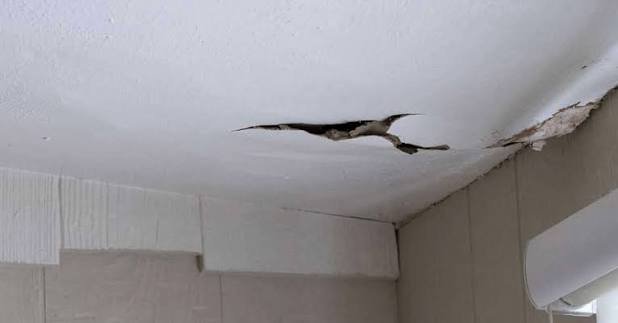
- Cracks appearing in walls or flooring near bathrooms and kitchens
- Paint that’s bubbling, flaking, or discolored — especially in patches, not evenly
- A musty or earthy smell in a room with no obvious source
- Sound of running water when nothing’s turned on (this one genuinely creeps people out, but it’s a real sign)
How to Check Your Water Meter for a Hidden Leak
This is probably the single most reliable DIY test, and almost nobody does it.
Turn off every tap, appliance, and anything else that uses water in your home. Then go check your water meter and note the exact reading. Wait about two hours without using any water — don’t even flush the toilet during this window. Check the meter again.
If the number has moved at all, you’ve got a leak somewhere in your system. It’s really that simple.
A quicker (though less precise) version: check your meter right before bed, then again first thing in the morning, assuming nobody’s used water overnight. Even a small movement on the dial is worth investigating further.
Understanding Your Water Bill Patterns
Keep your last 3-4 months of water bills handy. A household of four in a typical apartment usually uses somewhere around 15,000-20,000 litres a month, though this varies a lot by lifestyle and city. If your usage jumps 30% or more without a lifestyle change — say, no new guests, no extra laundry — that’s a red flag worth chasing down.
Where Hidden Leaks Usually Happen in Indian Homes
Older buildings in particular tend to have a few usual suspects. I’ve noticed that GI (galvanized iron) piping, common in flats built before the early 2000s, corrodes from the inside out — which means the pipe can look perfectly fine on the outside while leaking internally for years.
The most common trouble spots:
- Under-slab plumbing, especially in ground-floor flats where pipes run beneath the concrete
- Bathroom wall cavities, where supply lines to showers and geysers run hidden
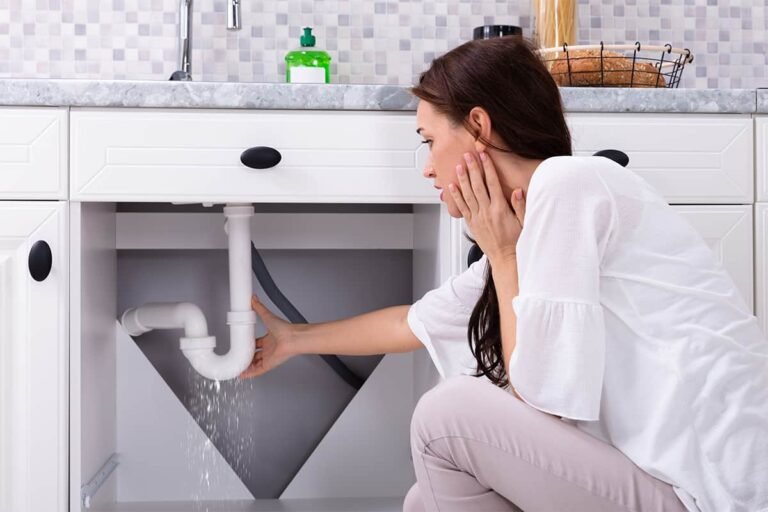
- Behind kitchen sinks, particularly where flexible connector pipes meet the main line
- Overhead water tanks and their connecting pipework, especially with cheap plastic fittings
- Underground supply lines running from the main connection to the building
Picture a small business owner in Jaipur running a home-based tailoring unit from the ground floor of an old haveli-style building. The floor near one wall kept feeling slightly damp, but with fabric rolls everywhere, it was easy to miss for weeks. Turned out an underground pipe joint had been leaking slowly the whole time, and the dampness was slowly rotting a section of wooden flooring. A ₹500 pipe joint fix could’ve prevented what became a ₹15,000 flooring repair.
Health and Structural Risks of Ignoring a Leak
Ignoring hidden water leak signs for too long risks mold growth, weakened structural beams, electrical hazards from water reaching wiring, and pest infestations — plus a steadily rising water bill the entire time the leak goes unaddressed.
Mold is probably the risk people underestimate the most. It doesn’t need much — just consistent moisture and a few weeks. Once it’s established behind a wall or under flooring, getting rid of it properly (not just painting over it) usually means opening up that section entirely.
There’s also a structural angle that’s easy to forget about. Prolonged water exposure weakens wood, rusts metal reinforcement in concrete, and can eventually affect a wall’s load-bearing capacity in serious cases. That’s not something that happens overnight, thankfully, but it’s not something to gamble with either.
And if water reaches electrical wiring or a switchboard — that’s a genuine safety hazard, not just a repair inconvenience.
DIY Detection Methods You Can Try at Home
Before calling anyone, there’s a fair bit you can check yourself, and it costs nothing but a bit of time.
- Food coloring toilet test: Add a few drops of food coloring to your toilet tank. Wait 15 minutes without flushing. If color shows up in the bowl, your flapper valve is leaking — a surprisingly common and cheap fix.
- Listen closely: Walk through quiet rooms, especially near bathrooms, and just listen. A hissing or trickling sound with no visible source is a strong clue.
- Check outdoor areas too: Unusually green or soggy patches of grass or soil near your building’s foundation, even in dry weather, often point to an underground leak.
- Infrared thermometer trick: A cheap infrared thermometer (available for under ₹1,000 online) can spot temperature differences in walls — a cooler patch near plumbing often means moisture is present, since evaporating water pulls heat from the surface.
None of these replace a professional inspection for confirmed leaks, but they’re a solid first pass before you spend money on one. [link to related guide about DIY plumbing repair here]
When to Call a Professional for Leak Detection
Some leaks just aren’t findable with a food coloring test and a bit of patience.
Call a professional leak detection service when the water meter confirms a leak but you can’t locate the source, when the leak is behind tiled walls or under concrete flooring, or when water damage keeps recurring despite repairs. Professionals use acoustic and thermal imaging tools that pinpoint leaks without demolition guesswork.
Modern leak detection technicians use acoustic listening devices that can pick up the sound of water escaping a pipe, even through concrete or tile. Some also use thermal cameras, which is honestly a bit fascinating to watch — they can basically “see” where the moisture is sitting behind a wall without breaking anything open first.
Costs for professional leak detection in Indian cities typically range from ₹1,500 to ₹4,000 depending on the property size and how tricky the leak is to trace. That might sound like a lot for someone “just looking,” but compare it to blindly breaking open three different walls hoping you guess right — it’s usually the cheaper option in the end.
Fixing a Hidden Leak: What the Repair Process Actually Looks Like
Once the leak’s located, the fix itself depends heavily on where it is and what caused it.
For a leak in an accessible spot — say, behind a kitchen sink cabinet — a plumber can usually replace the damaged section of pipe or fitting within an hour or two. Simple, relatively cheap, done same day.
For leaks under flooring or inside walls, it gets more involved. This typically means:
- Breaking a small, targeted section of tile or wall to access the pipe (professionals aim to minimize this, not demolish the whole wall)
- Replacing or repairing the damaged pipe section
- Checking for mold or water damage in the surrounding area before sealing back up
- Re-tiling or replastering the opened section
Expect this kind of repair to run anywhere from ₹3,000 to ₹10,000+ depending on the extent of damage and finishing work needed. It’s not cheap, I’ll be honest. But it’s a lot less painful than what happens if that same leak runs unchecked for another six months.
Preventing Future Hidden Leaks
A bit of prevention genuinely goes a long way here, more than people give it credit for.
Get your plumbing inspected once a year, especially if your building is older than 15 years. Keep an eye on your water bill every month rather than just glancing at the total — a quick habit that takes thirty seconds. Replace old flexible connector pipes (the ones under sinks and behind washing machines) every 5-7 years, since these are a common failure point. And if you’re renovating anyway, it’s worth asking your contractor to check pipe conditions before closing up any walls. [link to related guide about seasonal home maintenance checklist here]
Frequently Asked Questions
How can I tell if I have a hidden water leak without cutting into walls? Start with your water meter test — turn everything off and check if it moves over a couple of hours. Combine that with watching your water bill trends and checking for musty smells or damp patches, and you’ll usually have a strong enough clue to justify calling in a professional.
Can a hidden leak cause mold even if I can’t see any water? Yes, definitely. Mold only needs consistent moisture, not standing water you can see. A slow leak behind a wall can feed mold growth for weeks before anything becomes visible on the surface.
How much does it cost to fix a hidden water leak in India? It varies quite a bit — a simple accessible pipe fix might run ₹500-1,500, while leaks under flooring or behind tiled walls, including repair and finishing work, typically cost ₹3,000-10,000 or more.
Will my water bill go back to normal after fixing a leak? In most cases, yes, your bill should return close to your normal usage pattern within one billing cycle after the leak’s properly fixed. If it doesn’t, there might be a second leak you haven’t found yet.
Does home insurance cover hidden water leak damage in India? Some comprehensive home insurance policies do cover water damage from leaks, though coverage varies a lot between insurers and policies. It’s worth checking your specific terms, since some exclude gradual damage versus sudden pipe bursts.
How often should I check for hidden leaks even if nothing seems wrong? A water meter check every few months is a reasonable habit, plus a full plumbing inspection once a year for older buildings. Catching a leak early is genuinely the difference between a small repair bill and a big one.
Conclusion
Most hidden water leak signs are quiet ones — a slightly higher bill, a faint smell, a patch of paint that just doesn’t look right. None of them shout for attention, which is exactly why they get ignored for so long. But catching them early is the difference between a same-day pipe fix and a repair bill with a lot more zeros in it.
Do the water meter test this weekend. It takes ten minutes and costs nothing. If something feels off, don’t wait around hoping it fixes itself — get a professional to trace it before it turns into a bigger, wetter problem.