Here’s something I’ve noticed after talking to enough homeowners about their roofs: the ones who never have problems aren’t lucky. They’re just consistent. They check their terrace twice a year, clear the drains before monsoon, and fix small cracks before they become big ones. That’s really the whole secret behind good roof maintenance tips — none of it is complicated, it’s just easy to forget until something leaks.
Most people only think about their roof when water starts dripping onto the bedroom floor. By then, you’re not maintaining anymore, you’re repairing, and repairs cost a lot more than prevention ever does.
This isn’t a list of expensive fixes. It’s the boring, practical stuff — the kind that, done consistently, can genuinely stretch a roof’s life by 10 years or more. Let’s get into it.
Clean Your Drains and Gutters Before Every Monsoon
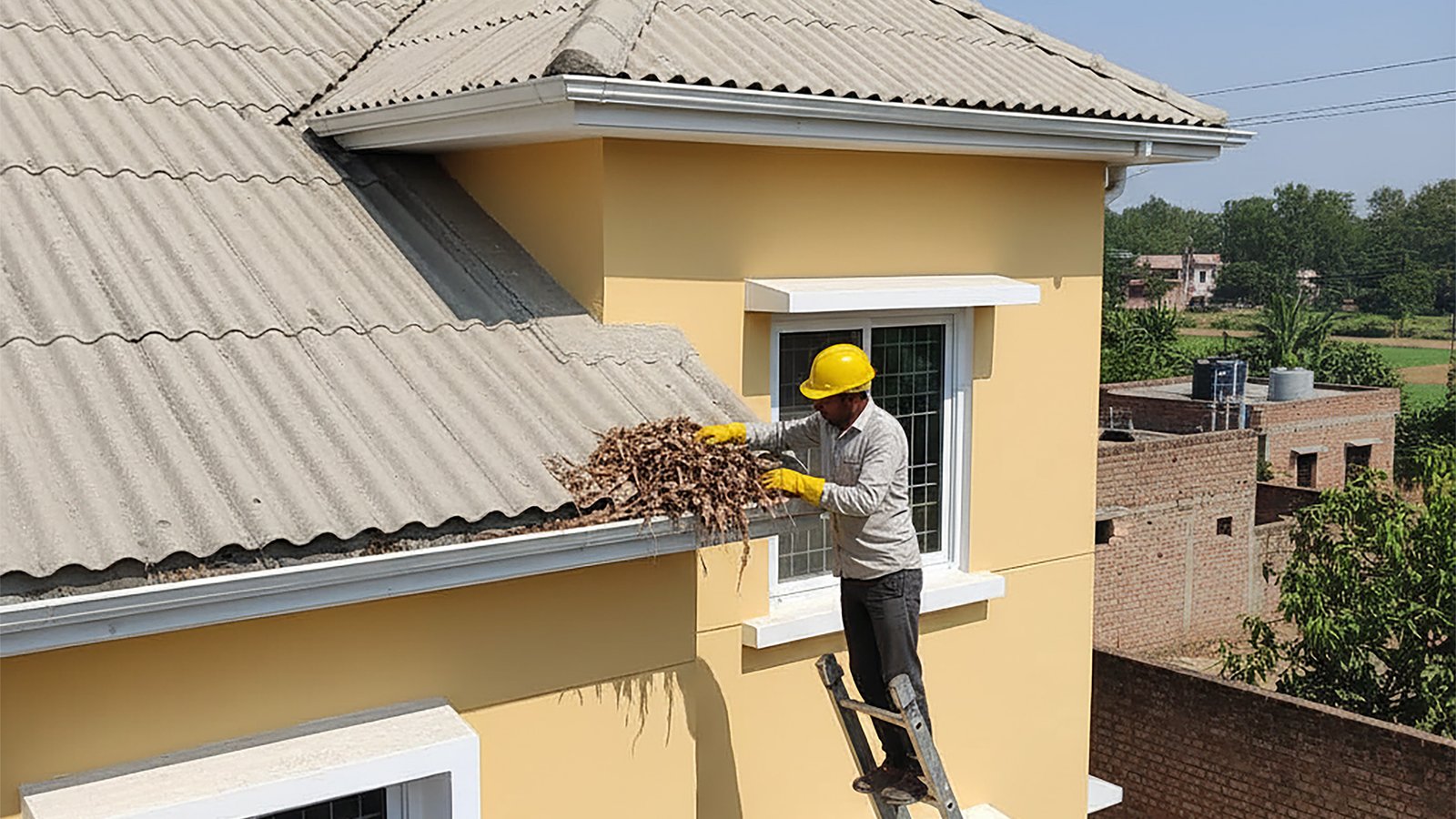
Clogged drains are one of the leading causes of roof damage in Indian homes, since standing water during monsoon seeps into even small cracks and weakens the waterproofing layer over time. Clearing debris before the rains start is one of the simplest and most effective roof maintenance tips there is.
Leaves, plastic bags, bird nests, dust — all of it collects in terrace drains over a dry summer, and nobody notices until the first heavy rain turns the terrace into a shallow pool. I genuinely think this is the single most underrated maintenance task on any homeowner’s list. It takes maybe 20 minutes and costs nothing.
Do this before monsoon hits, ideally in May:
- Walk the entire terrace and locate every drain outlet, not just the obvious one
- Clear visible debris by hand, then flush each drain with a bucket of water to check flow
- Check that water actually drains away and doesn’t pool anywhere on the surface
- If you have a sloped roof, clear gutters and downspouts the same way
Do it again midway through monsoon season if you’re in a heavy-rainfall city like Mumbai or Kolkata. One clearing in May usually isn’t enough to last through July and August.
Inspect for Cracks Twice a Year
Small cracks are cheap to fix. Big cracks are not. The entire logic behind regular inspection is catching the former before it becomes the latter.
Pick two times a year for this — I’d suggest pre-monsoon (April-May) and post-monsoon (October). Walk your terrace slowly, and actually look, don’t just glance around while doing something else.
What to check:
- Hairline cracks in the concrete surface, especially near drain outlets and parapet walls
- Gaps where the parapet wall meets the roof slab — this joint is notorious for developing leaks
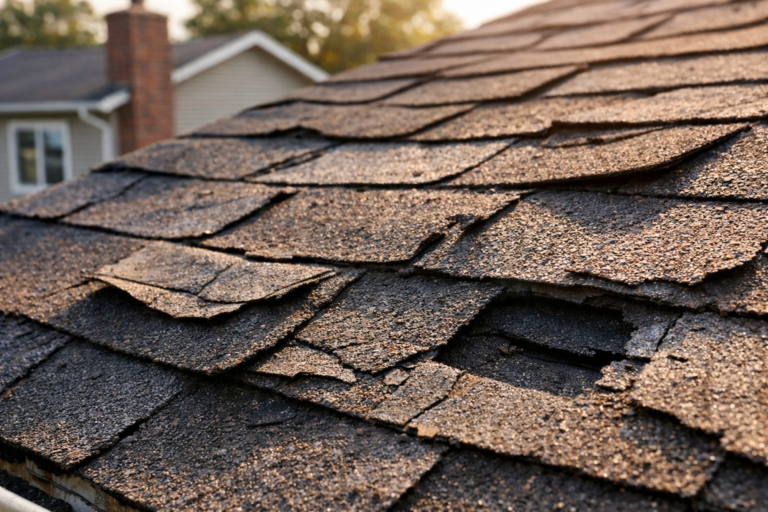
- Any bubbling, flaking, or peeling in the existing waterproofing coat
- Areas where water seems to sit longer than the rest of the surface, even after rain has stopped
Picture a small business owner in Jaipur running a shop out of the ground floor of her house, with a rented flat above. She does this two-minute terrace check every October, right after monsoon ends. Last year she caught a hairline crack near the parapet before it widened — a ₹2,000 fix instead of what could’ve been a ₹40,000 seepage repair a year later. That’s the whole point of consistent inspection.
Reapply Waterproofing Coating Every 3-5 Years
Waterproofing coatings degrade with UV exposure and rain over time, even when applied correctly, so reapplying every 3-5 years is one of the most important roof maintenance tips for preventing major leaks down the line. Waiting until visible damage appears usually means the layer has already failed in multiple spots.
I’ll admit, this is the tip people skip most often, mostly because it feels expensive for something that “still looks fine.” But waterproofing coats break down invisibly before they break down visibly. UV rays, temperature swings, and standing water all wear away at the membrane long before you’d notice a leak.
Signs your coating needs a refresh:
- It’s been more than 4-5 years since the last application
- The surface feels rough or chalky to the touch instead of smooth
- Faded color compared to when it was freshly applied
- Minor seepage that wasn’t there before, even without any visible cracking
A fresh waterproofing coat for an average terrace typically runs ₹40-₹70 per square foot depending on the product used and your city. Compare that to a full waterproofing redo plus internal repair work after a leak actually happens, and reapplying on schedule is clearly the cheaper path.
[link to related guide on choosing the right waterproofing material here]
Trim Overhanging Trees and Remove Debris Regularly
Trees look lovely near a home. They’re also, quietly, one of the more common causes of roof damage that people don’t connect the dots on.
Overhanging branches drop leaves constantly, which clog drains, as we already covered. But they do more than that — branches that scrape against the roof surface during windy weather can wear down waterproofing coatings faster than sun exposure alone. And during a bad storm, weak branches can snap and cause real damage.
A few things worth doing:
- Trim branches back so nothing overhangs directly above the roof or terrace
- Remove leaf litter regularly during autumn and pre-monsoon months, not just once a year
- Check for any dead or weak-looking branches before storm season and get them removed professionally if they’re large
This one’s easy to underestimate because the damage builds up slowly. Has this ever happened to you — noticing a thick layer of dried leaves on your terrace and thinking, “I’ll clear that later”? Later usually turns into monsoon, and by then the drains are already blocked.
Check for Pooling Water After Every Rain
Standing water is bad news for any roof, full stop. A well-designed roof should drain completely within a few hours of rain stopping. If it doesn’t, something’s off.
Go up to your terrace an hour or two after a heavy rain and look for puddles that haven’t moved. Pooling usually points to one of two things: either the slope of the roof has settled unevenly over time, or a drain is blocked somewhere you haven’t checked.
Persistent pooling in the same spot, rain after rain, is worth taking seriously. It means that patch of roof is absorbing far more water exposure than the rest of the surface, which speeds up wear dramatically. I’ve seen this exact issue turn a 20-year roof into one needing major repair by year 12, just because nobody addressed the pooling early on.
If you notice consistent pooling, it’s worth calling a professional to check whether it’s a drainage fix or something more structural.
Don’t Ignore Minor Leaks — Fix Them Immediately
This might be the most obvious tip on this list, and yet it’s the one people follow the least. A small leak feels manageable. You put a bucket under it, mop up after rain, and move on with your week.
But a leak doesn’t stay small. Water finds the path of least resistance, and once it’s inside your roof structure, it spreads sideways as much as it spreads down. A leak that starts in one corner of a room can, over a couple of monsoons, show up as a stain across the entire ceiling.
Fixing minor leaks the moment they appear, rather than managing them with buckets and mops, prevents the surrounding waterproofing layer from failing entirely — a genuinely essential roof maintenance tip that saves both money and structural damage.
My honest opinion here: I think a lot of people wait because getting someone out for “just a small leak” feels like overkill. It’s not. A same-week fix for a minor leak is a fraction of the cost of dealing with it after it’s spread across two rooms and started affecting the wiring.
Maintain Proper Ventilation and Insulation
Roof maintenance isn’t only about water. Heat and moisture buildup inside the roof structure matter too, especially in Indian summers where terrace temperatures can climb dramatically.
Poor ventilation traps heat and humidity against the underside of the roof slab, which over years can weaken the structure and cause the paint and plaster below to deteriorate faster than it should.
A few practical steps:
- If you have a false ceiling, make sure there’s adequate ventilation space above it, not a sealed gap
- Consider a reflective or cool roof coating if your top floor gets uncomfortably hot every summer — it also happens to protect the waterproofing layer from UV damage
- Check that any roof vents or exhaust points aren’t blocked by debris or bird nests
This tip gets less attention than leak prevention, but it genuinely extends the underlying structure’s life, not just the surface coating.
Schedule a Professional Inspection Annually
Doing your own checks twice a year is great, and honestly most homeowners could skip a professional visit if they’re diligent about it. But I’d still recommend one annual professional inspection, ideally right before monsoon.
A trained eye catches things homeowners typically miss — early-stage structural issues, waterproofing that looks fine on the surface but has failed underneath, or drainage slopes that have shifted slightly without any obvious sign.
[link to related article on what a professional roof inspection actually covers here]
It usually costs somewhere between ₹1,000 and ₹3,000 depending on your city and roof size. Compare that to even one avoided seepage repair, and it more than pays for itself.
Frequently Asked Questions
How often should I do roof maintenance in India? A basic self-inspection twice a year — pre-monsoon and post-monsoon — covers most needs. Add an annual professional inspection and a waterproofing top-up every 3-5 years, and you’re covering nearly everything that causes premature roof failure.
What’s the cheapest roof maintenance tip that makes the biggest difference? Clearing your drains before monsoon, without question. It costs nothing but time, and clogged drains are behind a huge share of the leak and seepage cases homeowners deal with every year.
How long does waterproofing usually last on an Indian roof? Most quality waterproofing coatings last 3-5 years before needing reapplication, though this varies with the product used, sun exposure, and how much standing water the roof deals with each monsoon.
Can I do roof maintenance myself, or do I need a professional every time? Basic checks — clearing drains, spotting cracks, checking for pooling — you can absolutely do yourself. Waterproofing application and any structural concerns are best left to a professional, since mistakes there get expensive fast.
Does roof maintenance actually save money in the long run? Yes, significantly. Consistent maintenance in the range of a few thousand rupees a year almost always costs less than the alternative — one major seepage repair every few years, which can easily run into lakhs depending on the extent of damage.
What’s the biggest mistake homeowners make with roof maintenance? Waiting until there’s a visible leak before doing anything. By that point, the waterproofing has usually already failed in more than one spot, which turns a simple maintenance task into a bigger repair job.
Conclusion
None of these roof maintenance tips are complicated or expensive on their own. Clear your drains, check for cracks twice a year, don’t let minor leaks sit, and reapply waterproofing on schedule instead of waiting for damage to show. It’s consistency that makes the real difference, not any single big fix.
If it’s been a while since you’ve actually walked your terrace and looked closely, this weekend’s as good a time as any. Grab a torch, check the corners near the parapet, and clear whatever’s sitting in the drains. Small habit, big payoff over the years.