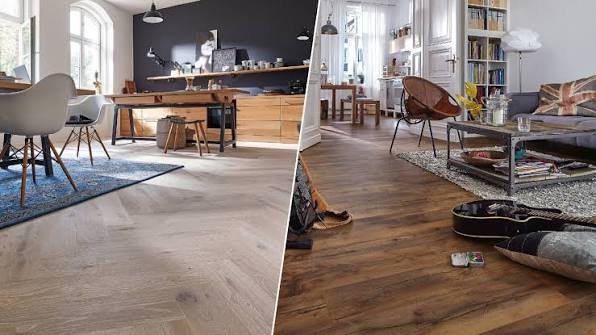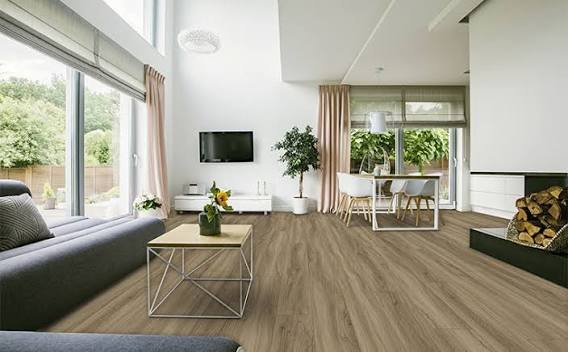
If you’ve got kids running around, a dog that doesn’t believe in walking calmly, or just a house full of people coming and going all day, you already know regular flooring doesn’t survive long. Finding the best flooring for high traffic areas isn’t about picking whatever looks nicest in the showroom — it’s about picking what’ll still look decent five years from now.
I’ve made this mistake myself, actually. Went with a flooring choice based purely on how it looked in the sample tile, without thinking about how our living room gets used every single day. Big regret within eighteen months.
This guide breaks down the flooring options that genuinely hold up under daily wear, along with the honest downsides of each — because every option has trade-offs, and nobody tells you that upfront at the showroom.
What Makes Flooring “High-Traffic Ready” Anyway?
Flooring suited for high-traffic areas needs to resist scratches, stains, and daily wear without showing damage quickly, while also being easy to clean and reasonably forgiving of spills, drops, and constant foot movement. Durability matters more than trend here.
Before picking anything, it helps to know what you’re actually testing for. A flooring option might look gorgeous in a low-traffic guest room and fall apart within a year in a busy hallway or kitchen.
The things that actually matter for high-traffic zones:
- Scratch resistance — pets and dragged furniture are the real test here, not careful walking
- Water and stain resistance, especially near entryways and kitchens
- How it handles heavy daily cleaning, since high-traffic areas get mopped and swept far more often
- Whether damage is repairable in patches, or whether one bad spot means redoing the whole floor
Keep this checklist in mind as you go through the options below. What works beautifully in a bedroom might be a poor fit for your main hallway.
Vitrified Tiles — The Reliable Default
Vitrified tiles are, honestly, what most Indian homeowners land on for high-traffic areas, and there’s a good reason for that. They’re tough, water-resistant, and don’t really scratch under normal wear.
Pros:
- Extremely durable — genuinely one of the toughest options for daily wear and tear
- Low maintenance; a simple wet mop keeps them looking fresh
- Water-resistant, which makes them great for kitchens and entryways
- Wide range of designs now, including ones that mimic wood or marble convincingly
Cons:
- Can feel cold underfoot, especially in winter, which some people don’t love
- Grout lines between tiles collect dirt over time if not sealed properly
- Poor installation shows badly — uneven tiles or bad grout work stand out immediately
- Can be slippery when wet, which matters if you have elderly family members or young kids
Cost-wise, decent vitrified tiles run anywhere from ₹40 to ₹120 per square foot depending on brand and finish, with installation adding another ₹15-₹25 per square foot. For a busy family home, this is usually the safest, most cost-effective pick.
Laminate Flooring — Good Looks, Moderate Durability
Laminate has come a long way from the flimsy stuff people associate it with. Modern laminate flooring can genuinely mimic wood convincingly, at a fraction of the cost.
That said — and I’ll be honest here — I don’t think laminate is the best choice for the heaviest traffic zones in a home, like a main living room with kids and pets. It handles moderate use fine, but its weak spot is water. A spilled glass left unattended for too long can cause swelling at the seams, and once that happens, it’s not easily fixed.
Pros:
- Budget-friendly compared to real wood, typically ₹60-₹150 per square foot
- Looks convincingly like wood or stone from a distance
- Comfortable underfoot, warmer than tile
- Quick to install, less mess than tile work
Cons:
- Not fully water-resistant — spills need to be wiped quickly
- Scratches from pet claws or dragged furniture show more visibly than on tile
- Can’t be sanded or refinished like real hardwood once it’s worn
- Sound tends to be hollow underfoot, which some people find bothers them over time
Laminate works best in moderate-traffic spaces — bedrooms, home offices, guest rooms — rather than the busiest zones of a high-traffic home.
Engineered Wood — A Middle Ground Worth Considering
Engineered wood sits between solid hardwood and laminate, and for high-traffic Indian homes, it’s an option that doesn’t get talked about enough.
Unlike laminate, engineered wood has a real wood veneer on top, which means it can be sanded and refinished at least once or twice over its life — something laminate simply can’t do. It handles humidity better than solid hardwood too, which matters a lot in most Indian climates.
Pros:
- Real wood look and feel, more authentic than laminate
- Better humidity resistance than solid hardwood
- Can be refinished once or twice if it gets scratched over the years
- More comfortable underfoot than tile, warmer in winter
Cons:
- Pricier than laminate, usually ₹150-₹350 per square foot
- Still not fully waterproof — standing water is a genuine risk
- Not as scratch-resistant as vitrified tile, so pet-heavy homes need to be a bit careful
- Fewer local installers are properly trained on it compared to standard tile work, so finding good workmanship can take some searching
If your budget allows and you want the warmth of wood without laminate’s limitations, this is worth a serious look for moderately-high traffic zones.
Vinyl Flooring — Underrated for Busy Homes
I think vinyl flooring is genuinely underrated in Indian homes, and I say that as someone who was skeptical of it myself for years. Modern vinyl — especially SPC (Stone Plastic Composite) and luxury vinyl planks — has gotten remarkably good.
Vinyl flooring, particularly SPC variants, offers excellent water resistance, scratch resistance, and comfort underfoot, making it one of the more practical choices for high-traffic homes with kids or pets, without the cold feel of tile.
Picture a household in Jaipur with two kids under ten and a golden retriever who treats the living room like an obstacle course. Vinyl handles that kind of daily chaos better than laminate would, and it’s noticeably warmer and quieter underfoot than tile — something that matters more than people expect once they’ve lived with it.
Pros:
- Fully waterproof in most SPC and rigid-core variants
- Scratch and dent resistant, holds up well against pet claws
- Soft and warm underfoot compared to tile
- Easier and often cheaper installation than tile or wood
Cons:
- Quality varies hugely by brand — cheap vinyl looks and feels cheap, fast
- Not as long-lasting as vitrified tile in extreme high-traffic commercial-style use
- Can dent under heavy furniture if felt pads aren’t used
- Some cheaper variants may off-gas a slight smell initially, though this fades
Good SPC vinyl runs ₹80-₹180 per square foot including basic installation, making it competitively priced against mid-range laminate while outperforming it in durability.
Natural Stone — Beautiful, But Not for Every High-Traffic Zone
Marble, granite, and other natural stone flooring look stunning, no argument there. But for the busiest parts of a home, I’d actually push back against using natural stone unless you’re prepared for the maintenance that comes with it.
[link to related guide on marble vs granite flooring maintenance here]
Stone is porous, which means stains and etching happen more easily than most homeowners expect, especially from acidic spills like lemon juice or vinegar in a kitchen area. It also needs periodic sealing to maintain resistance.
Pros:
- Unmatched visual appeal and a sense of luxury
- Genuinely durable structurally, lasts decades if maintained
- Cool underfoot, which is a real advantage in hot Indian summers
- Adds resale value in premium property segments
Cons:
- Requires periodic sealing to stay stain-resistant, which is an ongoing cost
- Can be slippery, particularly polished finishes — a real concern with kids or elderly residents
- Expensive, often ₹150-₹500+ per square foot depending on the stone type
- Etching and staining from spills happen more easily than most people expect
If you love the look, consider it for lower-traffic statement areas — a foyer, a formal living room — rather than the kitchen or main hallway that sees constant use.
Comparing All Options at a Glance
| Flooring Type | Durability | Water Resistance | Comfort Underfoot | Approx. Cost/sq ft |
| Vitrified Tiles | Excellent | Excellent | Low | ₹40-₹120 |
| Laminate | Moderate | Poor-Moderate | High | ₹60-₹150 |
| Engineered Wood | Good | Moderate | High | ₹150-₹350 |
| Vinyl (SPC) | Very Good | Excellent | High | ₹80-₹180 |
| Natural Stone | Excellent | Moderate | Low | ₹150-₹500+ |
Numbers here are rough averages and vary by city and brand, but they should give you a fair sense of where each option sits relative to the others.
How to Choose Based on Your Household
There’s no single “best” answer here — it genuinely depends on who’s living in the house and how the space gets used.
- Homes with young kids and pets: Vinyl (SPC) or vitrified tiles are your safest bets. Both handle spills, scratches, and heavy daily use without much drama.
- Homes prioritizing comfort and looks over ultimate durability: Engineered wood strikes a nice balance, as long as you’re diligent about wiping up spills quickly.
- Budget-conscious renovations: Vitrified tile remains the most cost-effective option that still performs well under heavy use.
- Formal or lower-traffic spaces: Natural stone can shine here without the maintenance headache it’d cause in a busy kitchen.
[link to related article on flooring installation costs in India here]
Honestly, if you’re renovating a home with kids under ten, I’d lean toward vinyl or tile over anything else on this list, purely based on how many disasters I’ve seen unfold on laminate and wood floors over the years.
Frequently Asked Questions
What is the most durable flooring for high traffic areas? Vitrified tile is generally considered the most durable option for consistently heavy use, followed closely by SPC vinyl flooring, which offers similar toughness with better comfort underfoot.
Is vinyl flooring good for homes with pets? Yes, especially SPC or rigid-core vinyl. It resists scratches from claws reasonably well and is fully waterproof, which handles accidents and spills much better than laminate or wood.
Is laminate flooring a bad choice for high-traffic homes? Not bad exactly, but it’s better suited to moderate-traffic areas like bedrooms rather than the busiest zones of a home. Its main weakness is water sensitivity, which becomes a real issue in heavily used spaces.
Which flooring is best for Indian kitchens specifically? Vitrified tile or SPC vinyl, both for their water resistance. Natural stone looks beautiful but needs sealing and careful maintenance to avoid staining from everyday cooking spills.
How long does vitrified tile flooring typically last? With proper installation, vitrified tile can easily last 15-20 years or more under regular high-traffic use, making it one of the more cost-effective long-term choices available.
Is engineered wood flooring worth the extra cost over laminate? If you want a more authentic wood feel and the option to refinish it later, yes. If budget is the primary concern and the space sees only moderate use, laminate is a perfectly reasonable choice too.
Conclusion
Picking the best flooring for high traffic areas really comes down to being honest about how your home actually gets used — not how you wish it got used. Vitrified tile and SPC vinyl tend to win out for the busiest zones, while laminate, engineered wood, and natural stone all have their place in lower-traffic or more controlled spaces.
Before you commit to anything, walk through your home and map out which areas genuinely see heavy daily traffic versus which ones don’t. That one exercise will save you from the same regret I had — choosing flooring based on the showroom sample instead of how your family actually lives day to day.