So your tap won’t stop dripping, or worse, there’s water pooling under the sink and you’re standing there with a wrench you don’t quite know how to use. Do you grab a YouTube tutorial and go for it, or do you pick up the phone? That’s really the whole question behind DIY plumbing repair, and honestly, the answer isn’t the same for everyone.
I’ve fixed my share of leaky faucets and made a few things worse in the process. There’s real satisfaction in solving a problem yourself — and real money to be saved. But plumbing has a sneaky way of punishing overconfidence. A small mistake with water and pipes can turn into a flooded kitchen faster than you’d think. This guide will help you figure out where the line actually sits, in 2026, with Indian homes and plumbing systems in mind.
What Counts as a Safe DIY Plumbing Repair?
DIY plumbing repair generally covers small, low-risk fixes that don’t involve cutting pipes, altering water lines, or touching your main supply. Think clogged drains, a running cistern, or a loose tap handle — jobs where a mistake costs you an hour, not a flooded floor.
Some jobs are genuinely beginner-friendly, and there’s no reason to pay someone ₹500 just to unclog a sink you could fix in ten minutes. Here’s what usually falls into safe territory:
- Unclogging a slow drain with a plunger or a simple drain snake
- Replacing a tap washer that’s causing a drip
- Fixing a running toilet cistern (usually just a worn flapper or float)
- Reattaching a loose showerhead
- Cleaning aerators clogged with mineral deposits — very common with hard water in cities like Jaipur
None of these require special tools beyond what’s in a basic home toolkit. A wrench, some plumber’s tape, maybe a bucket. I’d say if the job takes under 30 minutes and doesn’t involve opening a wall or a pipe joint, you’re probably fine going it alone.
Tools Every DIY-Minded Homeowner Should Own
You don’t need a full workshop. A decent adjustable wrench, a plunger, PTFE tape, a bucket, and a torch (for under-sink work) will cover most small jobs. I keep mine in a shoebox under the kitchen sink — not glamorous, but it works.
Signs a Plumbing Job Is Too Big for DIY
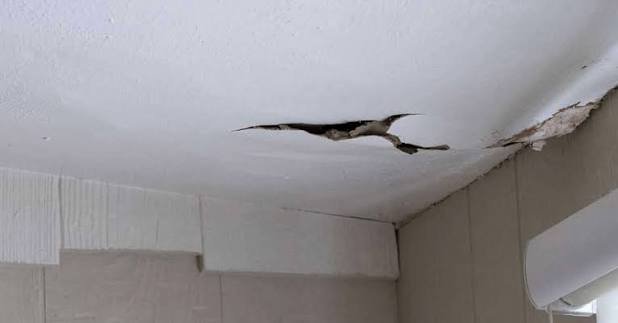
A DIY plumbing repair stops being a good idea the moment you’re dealing with hidden pipework, gas lines, sewage backups, or anything involving your building’s main water supply. If you smell gas, see water stains spreading on a ceiling, or notice sewage backing up into a drain, stop and call a licensed plumber immediately.
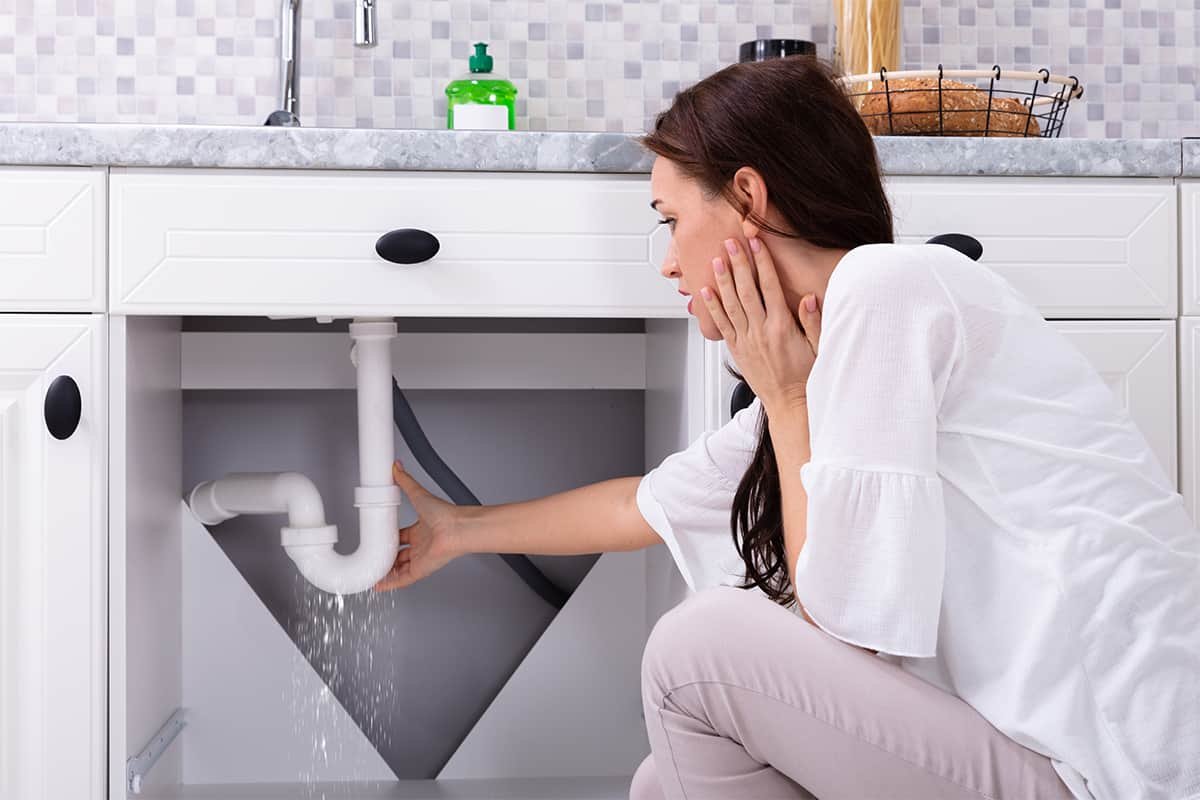
Here’s the thing — some problems look small on the surface but hint at something bigger underneath. I once ignored a slow drip under my kitchen sink for two weeks, telling myself I’d “get to it.” By the time I did, the cabinet base had swollen and warped. That ₹200 washer I was avoiding buying turned into a ₹4,000 carpentry repair.
Warning signs that mean it’s time to call a professional:
- Water pressure that’s suddenly dropped across the whole house, not just one tap
- Recurring clogs in the same drain, even after you’ve cleared it — could mean a deeper blockage or root intrusion in older buildings
- Any smell of gas near a geyser or stove connection
- Water stains on ceilings or walls, especially if they’re spreading
- A burst or badly corroded pipe (common in older Jaipur homes with decades-old GI piping)
- Sewage smell or backup from floor drains
If you’re seeing any of these, this isn’t the moment to be brave with a YouTube video open on your phone.
The Real Risks of Attempting Complex Repairs Yourself
Look, I’m not trying to scare you off every home repair. But there’s a difference between fixing a leaky washer and rerouting pipework behind a wall. The risks of going in over your head are bigger than most people expect.
Water damage compounds fast. A pipe that’s leaking slowly inside a wall can rot wood, grow mold, and damage electrical wiring — and you might not even notice until the damage is done. Then there’s the cost of doing it twice: botch a repair, and you’ll likely pay a plumber more to undo your work before they can even start the actual fix.
There’s also a safety angle people forget. Working near a geyser’s plumbing connections, for instance, means dealing with both water and electricity in the same tight space. That’s not a place for guesswork.
And in apartment buildings or housing societies, unauthorized changes to shared plumbing lines can actually violate your maintenance agreement. I’ve heard of at least one case in a Jaipur housing society where a resident’s DIY pipe rerouting caused a leak that affected the flat below — and the repair bill (for both flats) landed squarely on them.
Cost Comparison: DIY vs Hiring a Professional Plumber
A basic DIY plumbing repair like a tap washer or clog might cost you ₹100–₹300 in parts. Hiring a professional for the same job typically runs ₹300–₹800 including a visit charge — but for complex work like pipe replacement, professional rates (₹1,500 upward) are usually cheaper than fixing your own mistakes twice.
Let’s break it down with rough 2026 pricing for Indian cities:
| Job | DIY Cost | Professional Cost |
| Tap washer replacement | ₹50–₹150 | ₹300–₹500 |
| Clogged drain | ₹100–₹250 (drain cleaner/snake) | ₹400–₹600 |
| Running cistern fix | ₹150–₹300 | ₹400–₹700 |
| Pipe leak (minor) | ₹300–₹600 | ₹800–₹1,500 |
| Pipe replacement/burst pipe | Not recommended | ₹1,500–₹4,000+ |
| Water heater/geyser plumbing | Not recommended | ₹1,000–₹3,000 |
These numbers shift depending on your city and whether it’s an emergency call (nighttime or weekend visits usually cost 20-30% more). The math generally favors DIY for small stuff and professionals for anything structural — not because plumbers are trying to overcharge you, but because they’re pricing in the risk and skill that keeps a bigger bill from showing up later.
How to Find a Reliable Professional Plumber
Finding someone trustworthy is honestly half the battle. A bad plumber can be almost as costly as a bad DIY attempt.
A few things I look for:
- Ask neighbors or your housing society WhatsApp group for recommendations — word of mouth still beats app ratings in most Indian cities
- Check if they’re associated with a known service platform (Urban Company, local plumbing associations) for some accountability
- Get a rough quote before they start, not after
- Ask if they’ll guarantee their work for at least a few weeks
- Avoid anyone who insists on cash-only payment with no receipt — a small thing, but it says something
Picture this: a small business owner in Jaipur runs a tiny café, and one morning the kitchen sink backs up right before opening. Panicking and calling the first “plumber near me” result isn’t ideal — but neither is spending an hour comparing five quotes while customers wait outside. The smart middle ground is having a plumber’s number saved before the emergency hits. [link to related guide about emergency home repair checklists here]
Preventive Maintenance: Reducing the Need for Repairs Altogether
Here’s an underrated truth — most plumbing emergencies are preventable. A little maintenance goes a long way toward avoiding the DIY-vs-pro dilemma altogether.
Things worth doing every few months:
- Clean tap aerators and showerheads to prevent mineral buildup, especially with hard water
- Check under-sink pipes for early signs of moisture or corrosion
- Avoid pouring oil or food scraps down kitchen drains (this alone prevents a huge chunk of clogs)
- Get your geyser serviced annually — sediment buildup causes both plumbing and electrical issues
- Test your main shut-off valve occasionally so you’re not fumbling for it during an actual emergency
I’ll be honest, I used to skip this stuff entirely until a clogged drain turned into a full weekend project. Now I do a quick five-minute check every couple of months, and it’s genuinely cut down on the number of “emergency” calls I’ve had to make. [link to related guide about seasonal home maintenance checklist here]
When Emergency Plumbing Situations Demand Immediate Professional Help
Burst pipes, gas leaks near plumbing fixtures, sewage backups, and total loss of water pressure are emergencies — don’t attempt a DIY plumbing repair in these situations. Shut off your main water valve, and call a professional immediately.
Some situations just don’t leave room for trial and error. If a pipe bursts, your first move should be finding your main shut-off valve — not grabbing a wrench. Every household should know exactly where that valve is before an emergency happens, not during one.
Has your water ever suddenly turned brown or started smelling odd? That’s often a sign of a corroded pipe or a bigger issue in the supply line, and it’s worth getting checked by a professional even if the water clears up on its own after a bit.
Building Your Own Judgment: A Simple Decision Checklist
Rather than memorizing every rule, ask yourself these questions before starting any repair:
- Does this involve cutting into a pipe or wall? → Call a pro
- Is there a smell of gas anywhere nearby? → Call a pro, immediately
- Have I done this exact repair before, successfully? → DIY is probably fine
- Will a mistake here cost more than a plumber’s visit charge? → Call a pro
- Is this affecting shared building infrastructure? → Call a pro (and check your society rules)
If most of your answers point toward “call a pro,” trust that instinct. Confidence is good; overconfidence with water pipes is how living rooms end up needing new flooring.
Frequently Asked Questions
Is it cheaper to do plumbing repairs myself? For small jobs, yes — you’ll usually save money doing simple fixes like a tap washer or clog yourself. But for anything involving pipe replacement or hidden leaks, DIY mistakes often end up costing more once you factor in water damage or a plumber having to redo your work.
What plumbing repairs should never be done without a professional? Anything involving gas lines, main water supply connections, sewage systems, or structural pipe work should always go to a licensed plumber. These carry safety risks and can cause serious property damage if done incorrectly.
How do I know if I have a hidden pipe leak? Watch for unexplained increases in your water bill, damp patches on walls or ceilings, a musty smell, or a water meter that keeps ticking even when everything’s turned off. Any of these warrant a professional inspection.
Can a bad DIY plumbing repair void my home insurance? It can, depending on your policy. Some insurers won’t cover water damage that resulted from unlicensed or improper repair work, so it’s worth checking your policy terms before attempting anything beyond basic fixes.
How often should I get my plumbing professionally inspected? Once a year is a reasonable baseline for most homes, especially older buildings with aging pipework. If you’re in a newer flat with modern plumbing, every two years is usually fine unless issues come up sooner.
What should I do immediately if a pipe bursts at home? Shut off your main water valve first, then call a plumber. Don’t waste time trying to patch it yourself — a burst pipe can flood a room within minutes, and stopping the water source matters more than the fix itself.
Conclusion
At the end of the day, DIY plumbing repair works best for the small stuff — clogs, drips, worn washers — the things where a mistake costs you a trip to the hardware store, not a flooded floor. The moment gas, sewage, hidden pipework, or shared building lines are involved, that’s your cue to hand it over to someone trained for it.
Keep a plumber’s number saved on your phone before you need it, not after. And honestly? Do that five-minute maintenance check every couple of months — future-you will thank present-you the next time a drain threatens to back up right before guests arrive.